
Electric Car Lease Deals
Electric car lease deals let you drive a new, fully electric car for a fixed monthly payment, then hand it back at the end of your contract. Browse our latest EV lease deals for personal and business drivers, from small city cars to family SUVs.
Use the filters below to start your leasing journey.
Use the filters below to start your leasing journey


Latest Electric Lease Deals
Browse our latest low emission EV lease deals below.
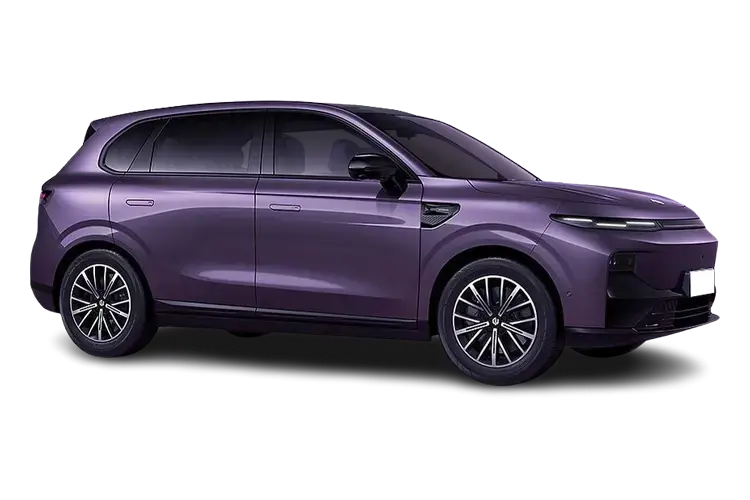


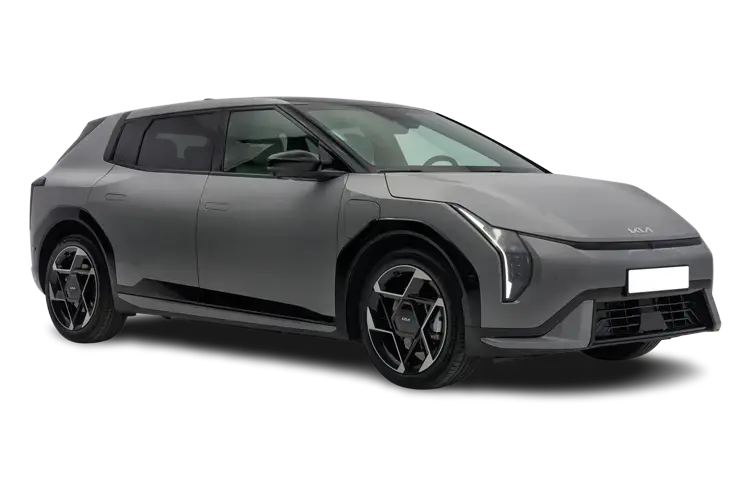
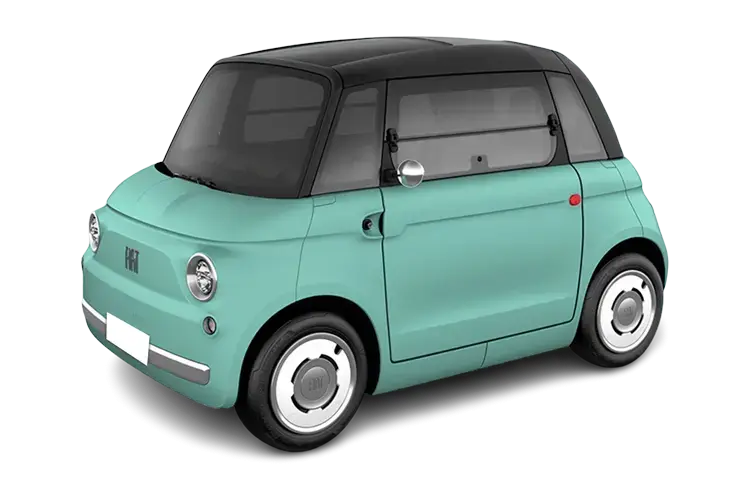
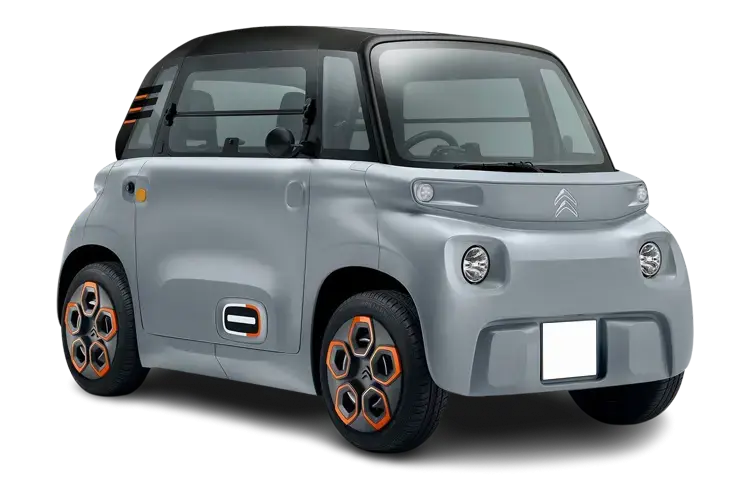
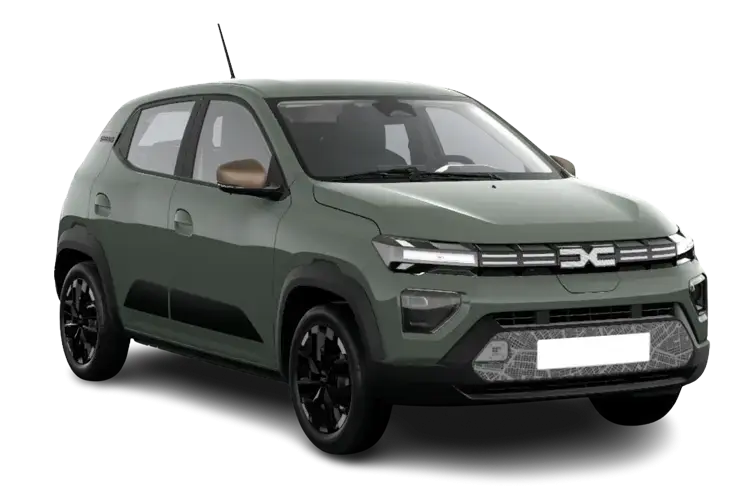
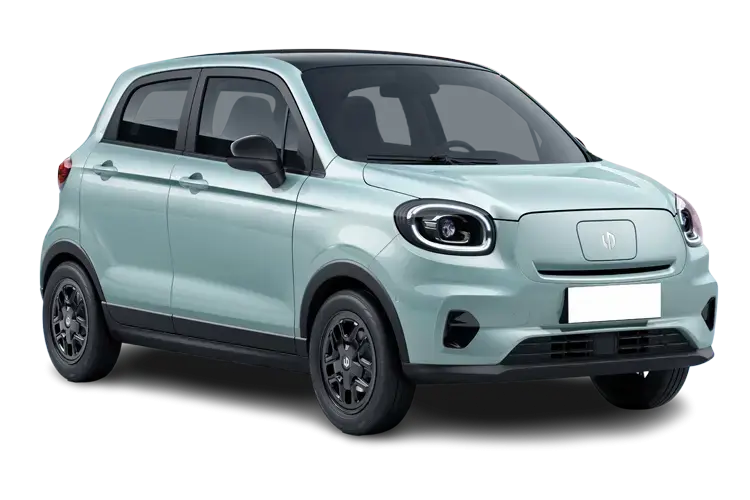
Want to know more about how our electric car leasing deals work? Read our handy leasing guide!
Get £50 off your home EV charging solution
We’ve partnered with Pod to offer you an exclusive £50 off a Pod Point home charging solution.
What Is Electric Car Leasing?
Electric car leasing is a way to drive a new electric car for a fixed monthly payment over an agreed term, from 12 to 60 months. You choose the car, the contract length and your annual mileage, then hand the car back at the end. You never own it, so you do not need to worry about what it is worth when the contract ends.
Our electric vehicle lease deals work in the same way as our personal car leasing and business car leasing packages. Personal drivers lease on Personal Contract Hire (PCH). Limited companies, sole traders and partnerships lease on Business Contract Hire (BCH). With zero exhaust emissions and near-silent running, an EV lease is a simple way to switch to electric without buying a car outright.


Why Lease an Electric Car?
Leasing suits many electric car drivers because it removes the biggest unknowns of owning an EV, such as its future value and how quickly battery technology moves on.
Fixed monthly payments: your rental stays the same for the whole contract, which makes budgeting simpler.
No resale value risk: the car goes back at the end of the lease, so you are not affected if its value falls.
Newer technology: when your contract ends, you can move into a newer EV, often with a longer range and faster charging.
Lower running costs: charging at home, especially on an off-peak tariff, usually costs less per mile than petrol or diesel.
Lower company car tax: electric company cars have low Benefit-in-Kind rates. See Business Electric Car Leasing below.
Charging Your Electric Lease Car at Home
Most electric car drivers charge at home overnight, much like a mobile phone. You plug in when you get home and start the next day with a full battery, then top up on the road if you need to. A home charger is not essential, but it is usually the most convenient and lowest-cost way to charge.
The cost of a full charge depends on your battery size and electricity tariff. As a guide, charging a 60kWh battery from empty at 25p per kWh costs about £15, and an off-peak EV tariff can bring this down considerably. A 60kWh battery typically gives a real-world range of around 200 to 250 miles, depending on the car, the weather and how you drive.
We have partnered with Pod Point to offer Car Leasing customers £50 off a Pod Point home charger. Use the button below to enquire, and quote Company Name: “Carleasing.co.uk” and Unique reference: “CARLEASINGPOD30”.

How Does Electric Car Leasing Work?
Electric cars often cost more to buy than petrol or diesel equivalents, but leasing spreads the cost into fixed monthly payments. See how leasing works for more detail.
Choose your car: browse our electric car lease deals by make, model, body style and budget.
Set your terms: pick your contract length, annual mileage and initial rental, and add a maintenance package if you want one.
Get your quote and apply: we send you a tailored quote. Approval is subject to status and a credit check.
Take delivery: once your lease is agreed, we deliver the car to you.
Hand it back: at the end of the contract we collect the car, and it is checked against our fair wear and tear guide. Charges can apply for excess mileage or damage.


Cut Your Fuel Bill with Electric Car Leasing
Charging an electric car usually costs less per mile than filling up with petrol or diesel, especially if you charge at home on an off-peak tariff. How much you save depends on your mileage, your electricity tariff and how often you use public rapid chargers, which cost more per kWh than charging at home.
With a fixed monthly lease payment and lower energy costs, an electric lease car can make your motoring costs easier to predict. The public charging network is also growing, so it is easier to plan longer journeys without going out of your way to charge.
Servicing and Maintenance on an Electric Lease Car
Electric cars have far fewer moving parts than petrol or diesel cars. There is no engine oil, clutch, exhaust or timing belt to look after, so routine servicing is often simpler. Regenerative braking also tends to reduce brake wear.
Your lease car still needs regular servicing, tyres and, once it is three years old, an MOT. Electric cars are often heavier than petrol models, so tyres can wear faster. For fixed costs, you can add a maintenance package to your electric car lease to cover servicing, tyres and MOTs for a set monthly amount.


Tax, Congestion Charge and Clean Air Zones
Electric cars still have financial advantages, although some rules have changed. This is how they stand in 2026.
Clean Air Zones and ULEZ: fully electric cars have no exhaust emissions, so they meet the standards for Clean Air Zones and London’s Ultra Low Emission Zone and do not pay their daily charges.
London Congestion Charge: electric cars are no longer exempt. Since 2 January 2026 they get a 25% discount on the daily charge when registered for Auto Pay.
Road tax: since April 2025, electric cars pay Vehicle Excise Duty like other cars, including the expensive car supplement on models with a list price over £40,000. On our lease deals, road tax is included in your monthly payment.
Electric Car Grant: some new electric cars with a list price under £37,000 qualify for a government grant of up to £3,750. The discount comes off the price before your lease is calculated, which lowers the monthly payment. Ask our team which models qualify.
Rules can change, so check the latest guidance on GOV.UK or with your local council.
Wide Range of Electric Car Leasing Deals
Whatever type of car you need, there is likely to be an electric car lease deal to suit you. Our range covers small city cars such as the Dacia Spring and Fiat Grande Panda, compact models such as the Kia EV2 and Kia EV4, and premium SUVs such as the Audi Q6 e-tron. As more manufacturers launch electric models, the choice keeps growing. If you are not sure which EV suits you, our team can help you compare range, size and monthly cost.
If you are not ready to go fully electric, we also offer hybrid car lease deals, which pair an electric motor with a petrol engine. You can also browse used car leasing for a nearly-new car, or our electric van leasing deals for business.

Considering an electric car for your next business lease? You need our company car tax calculator!
Frequently asked questions
Most new electric cars can travel between 150 and 350 miles on a full charge, and some long-range models can go further. Real-world range depends on the battery size, the weather, your speed and how you drive. Cold weather and fast motorway driving usually reduce range, so plan for a little less than the official figure.
No. An electric car lease works in the same way as any other car lease. You pay an initial rental, then fixed monthly payments for an agreed term and mileage, and hand the car back at the end. The main differences are how you fuel the car and the lower company car tax for business drivers.
No. You do not need a home charger to lease an electric car from Car Leasing. Many drivers find a home charger more convenient and cheaper than public charging, but you can rely on the public network instead. The UK has more than 100,000 public charging devices at places such as motorway services, supermarkets and car parks.
The monthly cost depends on the car, your contract length, annual mileage and initial rental. Small electric city cars generally cost less to lease than premium electric SUVs, and a larger initial rental usually lowers the monthly payment. Our current prices are shown in the deals above, with personal prices including VAT and business prices excluding VAT.
It depends on your budget and how long you plan to keep the car. Leasing usually needs less money upfront than buying, and you do not take on the risk of the car losing value. Buying can make more sense if you want to own the car for many years. Because EV technology is moving quickly, many drivers prefer to lease.
The battery goes back with the car when you hand it back. You never own it, so its long-term condition and value are not your risk. Most manufacturers also cover the battery with a separate warranty, often for around eight years, so a battery fault during your lease would usually be dealt with under that warranty.
Electric leasing guides
All you need to know when leasing an electric vehicle.


