
Hybrid Vehicle Fleet Leasing for UK Businesses
Hybrid vehicle fleet leasing is a smart strategy for businesses looking to reduce running costs, improve environmental performance and stay compliant with current and upcoming emissions regulations. With the rising cost of fuel and stricter standards in Clean Air Zones across the UK, hybrid vehicles are an increasingly popular choice for fleets that need the flexibility of internal combustion combined with electric efficiency.
Whether you’re considering your first fleet electrification step or looking to balance efficiency with large-scale operations, hybrid leasing offers a practical and tax-friendly solution for modern business motoring.
Use the filters below to start your leasing journey
Use the filters below to start your leasing journey
What Is a Hybrid Vehicle Fleet?
A hybrid vehicle fleet consists of cars and light commercial vehicles that use a combination of a petrol/diesel engine and an electric motor. This hybrid powertrain improves fuel economy and reduces CO₂ emissions compared with traditional internal combustion engines, making hybrids a compelling choice for business fleets.
Many businesses now choose hybrid fleet leasing because it requires less upfront capital than buying and allows easy fleet upgrades through fixed-term lease agreements.
Why Choose Hybrid Fleet Leasing for Your Business?
Lower Fuel Costs and Maintenance Savings
Hybrid vehicles use electric power at lower speeds and during stop-start traffic, reducing fuel consumption. Regenerative braking also recovers energy and cuts brake wear, translating into lower ongoing costs, particularly valuable for city-centric or delivery fleets.
Reduced Emissions and Compliance Benefits
With lower CO₂ emissions compared to conventional petrol or diesel cars, hybrids help your business meet environmental targets and reduce exposure to Clean Air Zone (CAZ) and Ultra Low Emission Zone (ULEZ) charges in cities like London, Birmingham and Manchester.
Tax Advantages for Businesses
Hybrid leasing can unlock several financial incentives, including:
Reduced Vehicle Excise Duty (VED) due to lower emissions
Potential capital allowances or tax write-downs
Lower Benefit-in-Kind (BiK) rates for company car tax compared with petrol/diesel equivalents
VAT reclaim opportunities on lease payments for VAT-registered businesses
These benefits improve total cost of ownership (TCO) and make hybrid leasing more attractive than traditional fleet options.
Flexibility Across Routes and Use Cases
Unlike pure electric vehicles (EVs), hybrids don’t rely on public charging infrastructure, meaning your fleet can operate efficiently in both urban and long-distance driving without range anxiety. Plug-in hybrids (PHEVs) offer the best of both worlds, allowing short electric-only journeys and petrol use for longer trips.
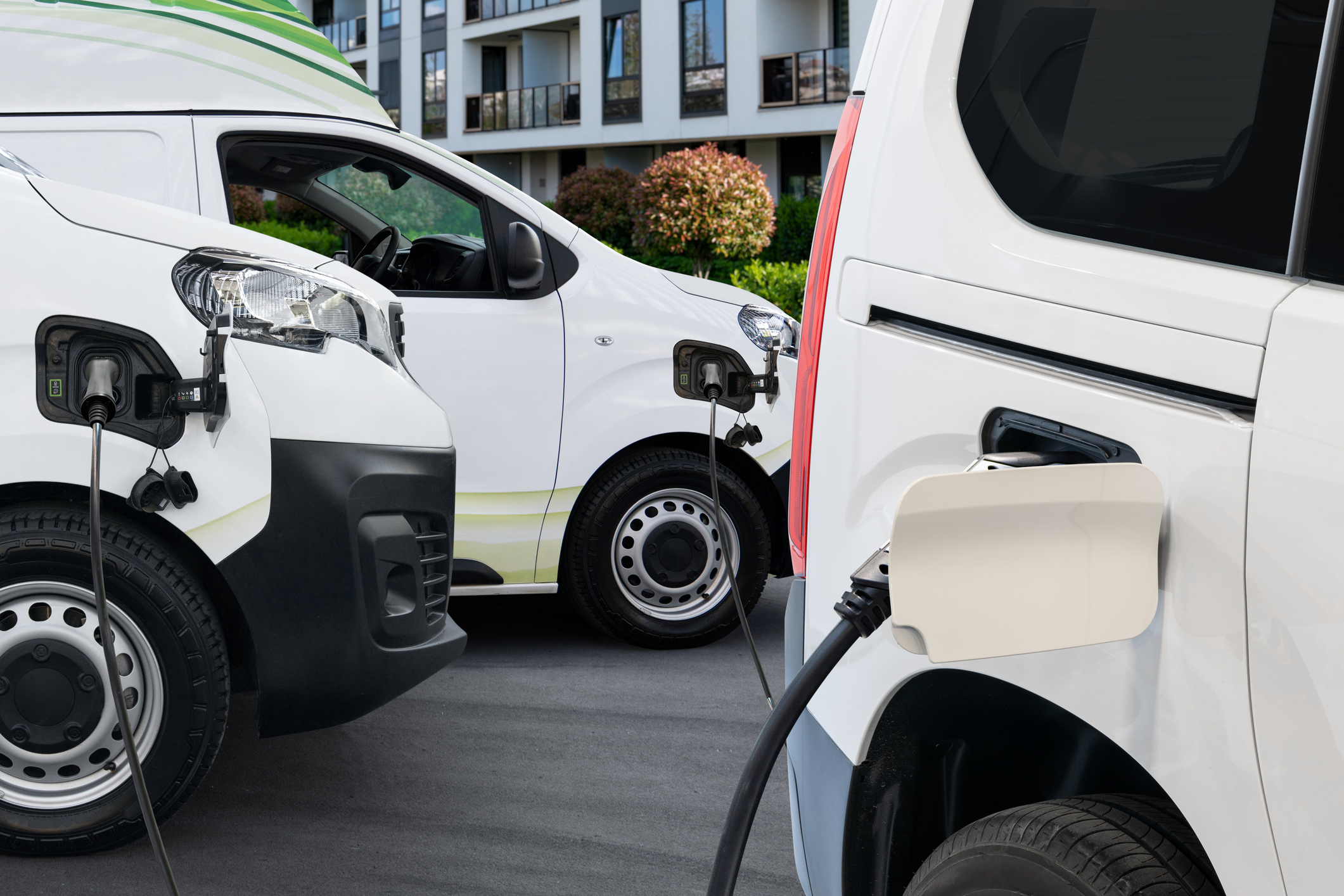
Hybrid vs Electric: What’s Best for Your Fleet?
When planning fleet upgrades, many businesses consider both hybrid and electric vehicles:
Hybrid vehicles provide excellent fuel savings and emissions reduction without the charging dependency of pure EVs.
Plug-in hybrids (PHEVs) add short electric-only driving range (useful for daily urban routes) while retaining petrol engines for flexibility.
Electric vehicles (EVs) deliver the lowest emissions and often the most tax advantages but require charging infrastructure and careful route planning.
For many businesses, a tiered fleet strategy, combining hybrid vehicles with EVs where infrastructure allows, maximises cost savings and sustainability.
Explore our fleet guides and discover more with fleet solutions, and fleet maintenance.
Hybrid vs Electric: What’s Best for Your Fleet?
When planning fleet upgrades, many businesses consider both hybrid and electric vehicles:
Hybrid vehicles provide excellent fuel savings and emissions reduction without the charging dependency of pure EVs.
Plug-in hybrids (PHEVs) add short electric-only driving range (useful for daily urban routes) while retaining petrol engines for flexibility.
Electric vehicles (EVs) deliver the lowest emissions and often the most tax advantages but require charging infrastructure and careful route planning.
For many businesses, a tiered fleet strategy, combining hybrid vehicles with EVs where infrastructure allows, maximises cost savings and sustainability.
Explore our fleet guides and discover more with fleet solutions, and fleet maintenance.
Popular Hybrid Fleet Vehicles to Consider
Here are some hybrid models frequently leased by UK businesses:
Toyota Prius Hybrid: An iconic hybrid with excellent fuel economy, ideal for urban and highway use.
Kia Niro Hybrid and Plug-In Hybrid: A practical crossover with strong fuel economy and flexible powertrain choices.
Hyundai Tucson Hybrid / PHEV: A versatile SUV capable of handling business demands with efficient performance.
Volvo XC60 Hybrid / Recharge: Premium midsize SUV combining safety, comfort and economy, popular with corporate fleets.
BMW 3 Series Plug-In Hybrid (330e): Great for executives and company drivers wanting efficiency without compromising performance. (Link to BMW 3 Series PHEV leasing.)
These hybrid models represent a wide range of sizes and business needs, from efficient compact crossovers to executive-level company cars. You can tailor your fleet with the right balance of efficiency, tech features and operational performance.
Fleet Leasing Options for Hybrid Vehicles
We offer flexible business lease options tailored to your company’s cash flow and operational requirements:
| Business Contract Hire (BCH) | Hire Purchase (HP) | Finance Lease |
|---|---|---|
| Your company effectively rents the vehicle for a fixed term with set monthly costs and no depreciation risks. | Ideal if ownership at the end of the term is part of your long-term plan. | A flexible solution for businesses wanting the benefits of a leased asset while retaining tax advantages. |
Each approach offers different benefits depending on your business structure, VAT status and long-term strategy.
Clean Air Zone (CAZ) and Emissions Regulations
Operating a hybrid vehicle fleet can help minimise CAZ and ULEZ charges in UK cities. Many hybrid models emit fewer pollutants, allowing them to avoid or reduce daily charges that apply to higher-emission vehicles.
As emissions regulations tighten and more cities introduce low-emission zones, having a fleet with lower CO₂ output can safeguard your business from future compliance costs.
For insights into city emissions zones and their impact on vehicle running costs, check out our news section on environmental regulations and driving trends.

How Fleet Managers Can Maximise Savings
To make the most of hybrid fleet incentives, consider these practical steps:
Choose the Right Powertrain
Decide between self-charging hybrids and plug-in hybrids based on route patterns and typical mileage. PHEVs are particularly effective for urban fleets with frequent short trips.
Optimise Mileage Profiles
Analyse your fleet’s typical routes to match hybrid capabilities, city driving often yields the biggest fuel savings.
Plan for Future Electrification
Hybrids offer a transitional step toward full electrification. As charging infrastructure improves, mixed fleets combining hybrids and EVs can balance operational efficiency and carbon goals.
Why Lease Hybrid Vehicles with Car Leasing
Leasing your hybrid fleet with Car Leasing gives your business a range of advantages:
Large selection of hybrid and PHEV models to match your fleet strategy
Flexible lease terms and mileage allowances tailored to business needs
Expert support in choosing the right vehicles for performance, tax and compliance
Access to latest industry insights via our news hub, including updates on emission zones, tax changes and green fleet trends
Whether you’re refreshing an existing fleet or building a hybrid-first strategy, we make it easier to find and lease the right vehicles.
Ready to Upgrade Your Fleet with Hybrid Vehicles?
Hybrid fleet leasing combines cost savings, environmental responsibility and operational flexibility, making it one of the smartest choices for UK businesses in 2026 and beyond.
Explore our latest fleet lease options and speak with our team to build a solution that fits your business’s needs and sustainability goals.

Frequently Asked Questions
A hybrid vehicle fleet is made up of cars that combine a traditional petrol or diesel engine with an electric motor. For businesses, hybrid fleets help reduce fuel costs and emissions while maintaining flexibility for longer journeys without relying solely on charging infrastructure.
Yes, hybrid vehicles are well-suited to business fleets. They offer lower fuel consumption, reduced emissions, and improved tax efficiency compared to conventional petrol or diesel vehicles, making them a practical choice for many UK businesses.
A standard hybrid automatically switches between petrol and electric power, while a plug-in hybrid (PHEV) can be charged externally and driven for short distances using electric power alone. PHEVs are particularly beneficial for fleets operating in urban areas with regular short trips.
In many cases, yes. Hybrid fleet leasing can offer lower running costs through improved fuel efficiency and reduced maintenance. Businesses may also benefit from lower Vehicle Excise Duty (VED) and reduced exposure to Clean Air Zone charges, improving total cost of ownership.
Hybrid company cars typically attract lower Benefit-in-Kind (BiK) rates than petrol or diesel equivalents due to reduced CO₂ emissions. VAT-registered businesses may also be able to reclaim VAT on lease payments, depending on usage.
Many hybrid vehicles meet emissions standards that help reduce or avoid Clean Air Zone (CAZ) and Ultra Low Emission Zone (ULEZ) charges. This can significantly lower daily operating costs for fleets driving in major UK cities.
Yes. One of the main advantages of hybrid vehicles is their ability to operate efficiently on long journeys without relying on charging infrastructure, making them ideal for businesses with mixed urban and motorway driving requirements.
Popular hybrid fleet vehicles include models such as the Toyota Prius, Kia Niro Hybrid, Hyundai Tucson Hybrid, Volvo XC60 Hybrid and BMW 3 Series Plug-In Hybrid. These models offer a balance of efficiency, comfort and reliability for business use.
Absolutely. Hybrid vehicles are often used as a transitional step towards full electrification, allowing businesses to reduce emissions and fuel costs now while preparing for future EV adoption as charging infrastructure expands.
Yes. Many businesses choose between new and used hybrid vehicles depending on budget and fleet strategy. Leasing both options allows companies to balance cost control with access to the latest technology.
Choosing the right hybrid vehicles depends on your typical mileage, route types, budget and emissions goals. Businesses operating in cities may benefit more from plug-in hybrids, while those covering longer distances may prefer self-charging hybrids.