
Fair Wear and Tear Guide: Returning Your Lease Car
When you lease a vehicle, your contract will usually require the car to be returned in a condition that reflects fair wear and tear. This means reasonable deterioration from everyday use, rather than damage from neglect, accidents or misuse. This fair wear and tear guide explains what is usually acceptable, what tends to lead to charges and how to prepare your car before it is collected.

What Is Fair Wear and Tear on a Car Lease?
Fair wear and tear, sometimes called normal wear and tear, is the natural deterioration a vehicle goes through with regular use. It is different from damage caused by accidents, neglect or misuse, which you may be charged for at the end of a car lease.
Who sets the rules: the British Vehicle Rental and Leasing Association (BVRLA) publishes the industry standard, often called the BVRLA fair wear and tear guide. Your finance company may use its own version with slightly different limits. It will send you a copy of its guide when the collection of your vehicle is confirmed. Please speak to your sales representative if you would like a copy in advance.
The guidelines typically cover:
General appearance, documentation and keys
Paint, bodywork and bumpers
Windows, glass, mirrors and lights
Tyres, wheels and trims
Mechanical condition
Interior upholstery, fabrics and controls
Equipment and accessories (for example, mats, tools and controls)
For example, light scratches of up to 25mm, where the primer or bare metal is not showing, and small dents where the paint is not broken are usually acceptable. Cracks, holes, broken mirrors, badly scuffed alloy wheels, or burns and tears inside usually count as damage.
Preparing Your Vehicle Ahead of Return
To avoid surprise charges, we recommend starting the preparation 10–12 weeks before your handover.
Here’s a checklist to follow:
| Task | Why It Matters |
|---|---|
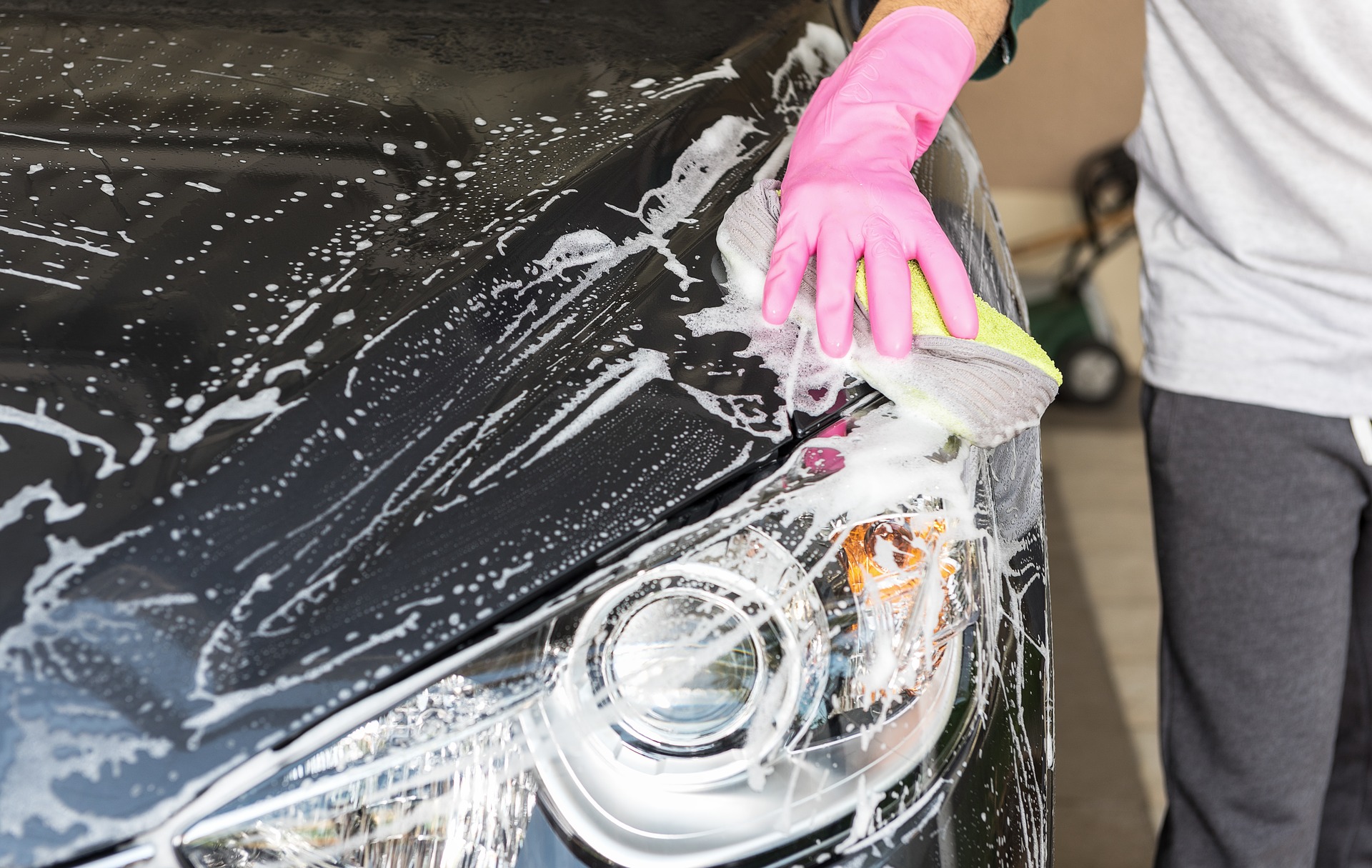
| Clean inside & out thoroughly | Dirt and grime can hide scratches or dents. A clean car helps you spot flaws early. |
| Inspect in daylight, while dry | Wet surfaces and shadows hide damage. Natural light gives you a better view. |
| Use an objective eye (or a second opinion) | Damage is often easier to see with fresh eyes. |
| Check all panels, mirrors, roof, wheels and tyres | Don’t forget the roof, door edges, bumpers, wheel rims and the spare tyre. |
| Check the interior for burns, stains, tears and odours | These are often flagged during the inspection. |
| Make sure all controls, accessories and electronics work | Air conditioning, infotainment and every switch. Leaving a fault here may lead to a charge. |
| Gather documents and keys | Service book, MOT certificate (if applicable), owner’s manual, V5C (if supplied) and every key, including spares and the locking wheel nut key. |
| Remove decals, advertising and adhesive | These must be removed professionally, and any resulting damage or fading put right. |
| Check mechanical condition and warning lights | No warning lights should be on, and the brakes, suspension and so on should be in good order. |
| Remove personal items and data | Clear out your belongings and delete saved phones, contacts and addresses from the infotainment and sat nav. |
| Arrange a personalised number plate transfer | If the car has a private plate, speak to your finance company early so it can be moved before collection. |
If you spot damage beyond fair wear and tear, act early. Having dents, scratches or upholstery repaired by a qualified repairer before handback is usually cheaper than paying charges after the inspection. If a warning light is on, our guide to dashboard warning lights explains what each light means.
What Happens at the End-of-Lease Inspection?
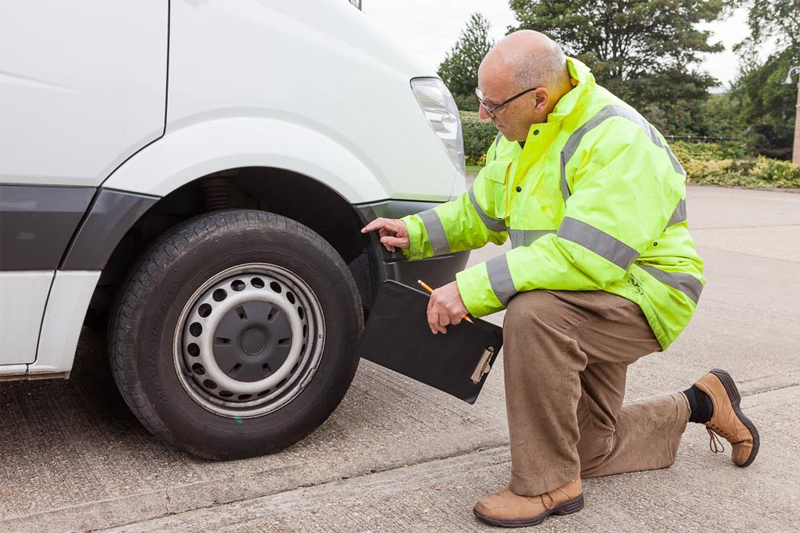
When the lease ends, an inspector appointed by the finance company will carry out a full condition check. It is a good idea to be there when the car is collected.
They will make a condition report, noting any damage, missing items or discrepancies.
You will be asked to sign it, or its electronic equivalent. If you disagree with the findings, note your objections in writing.
If the car is too dirty or wet to inspect, the collection may be cancelled and a charge may apply.
Charges will be applied for any damage that falls outside fair wear and tear. Under the BVRLA standard, you should be told about these within four weeks of the car being returned, with a breakdown and photos or other evidence.
If you want to dispute a charge, contact the finance provider first, as it will usually review the photos against its standards. If you still disagree, you can ask for an independent engineer’s inspection agreed by both sides. If the finance provider is a BVRLA member, you can also use the BVRLA’s dispute resolution service.
You will usually be given a collection window. Make sure the car is clean and ready at that time.
What Counts as Acceptable Wear and Tear?
Depending on your funder’s guide, some commonly accepted standards include:
Light scratches and scuffs of up to 25mm, as long as the primer or bare metal is not showing
Small dents (usually up to 10mm to 15mm, depending on the guide), with no more than two per panel and the paint unbroken
Scuffs on alloy wheels totalling up to 50mm around the rim
Tyre wear within the legal limit of 1.6mm tread depth, with no cuts or bulges in the sidewalls
Normal wear to seats and carpets from everyday use, as long as there are no burns, tears, holes or stains
Light scratches on glass that do not affect the driver’s view, and windscreen chips outside the driver’s line of sight that have been professionally repaired
What Leads to End-of-Lease Charges?
These are the areas where many drivers face unexpected costs:
Deep scratches, dents or bodywork damage beyond small marks, including any dent on the roof
Rips, tears or burns in the upholstery
A cracked windscreen, or chips that have not been repaired
Damage to wheels, trims or paintwork over the acceptable limit
Poor repairs, such as mismatched paint or a rippled finish
Adhesive residue, unrepaired impact damage or obvious neglect
Missing keys, documents or service history
Excess mileage beyond your contract limit, charged separately at the pence-per-mile rate in your agreement
If your car has been in an accident, read our guide to what happens if you crash a lease car.
Fair Wear and Tear Tips
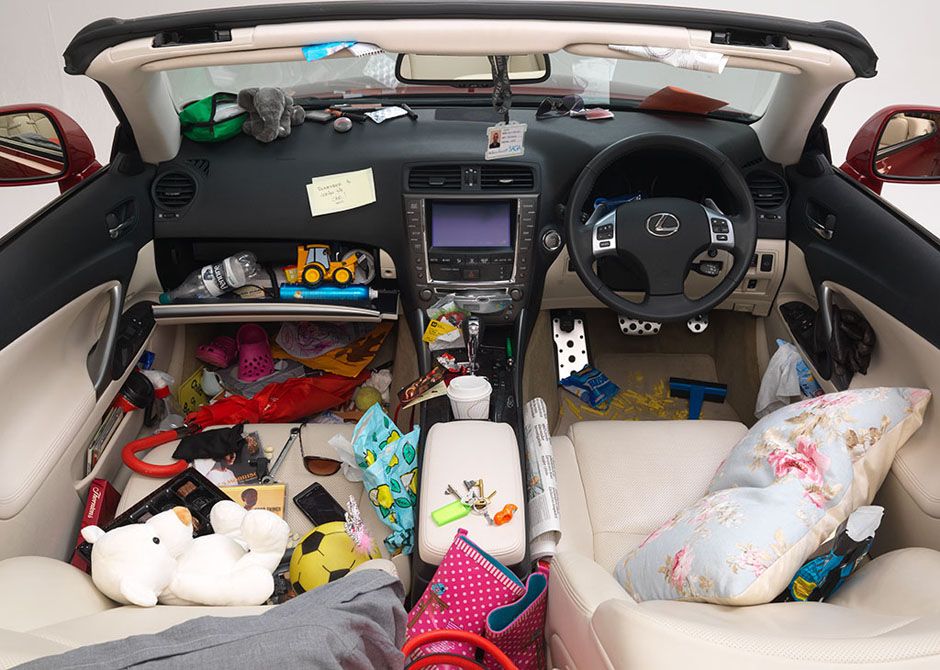
To reduce the risk of end-of-lease charges, it is worth staying mindful throughout your contract. Deal with any dents, scuffs or interior marks as they happen, rather than waiting until the end of your lease. Keep the car looking its best by washing it regularly, keeping the interior tidy and checking the wheels often. Check your tyres and replace any that fall below the legal tread depth of 1.6mm. Stay within your agreed mileage, as going over it is one of the most common causes of extra fees. Finally, keep full service records. A maintenance package covers routine servicing for the length of the lease and keeps the service history up to date, which helps avoid disputes when you return the car.
Each finance provider may have its own version of the fair wear and tear guide, with slight differences in what it considers acceptable.
Ending a car lease doesn’t have to be stressful. By starting your checks early, fixing damage promptly and keeping your paperwork in order, you can greatly reduce the risk of unexpected charges. Contact our team and we will send you the correct guide for your finance provider, so you have the right information before you return your vehicle.
New to leasing? Find out how leasing works, from choosing a car to handing it back. When you are ready for your next car, browse our latest car leasing deals.
Fair Wear and Tear FAQs
The BVRLA fair wear and tear guide is the industry standard for the condition of a leased vehicle when it is returned. It is published by the British Vehicle Rental and Leasing Association and sets out what counts as acceptable wear and what counts as damage. Many finance companies use it or their own version of it.
Yes. Normal wear and tear and fair wear and tear both describe the deterioration expected from everyday use, such as light scratches, small stone chips and some wear to seats and carpets. Neither covers damage from accidents, neglect or misuse, which may be charged when the car goes back.
Under the BVRLA standard, scratches of up to 25mm are usually acceptable, as long as the primer or bare metal is not showing. Longer or deeper scratches are likely to be charged. Your finance company’s own guide may set slightly different limits, so check it before you return the car.
Check your car against the fair wear and tear guide 10 to 12 weeks before it is due to be returned, as the BVRLA recommends. This gives you time to book repairs and arrange any private plate transfer. Inspect it when it is clean and dry, in good daylight.
If you disagree with end-of-lease charges, contact the finance provider first and ask for the photos and breakdown behind them. If you still disagree, you can ask for an independent engineer’s inspection agreed by both sides. If the provider is a BVRLA member, you can also use the BVRLA’s dispute resolution service. For other questions, see our leasing FAQs or contact our team.