
Car Leasing with Insurance Explained
UK car insurance is a legal necessity for every motorist using public roads. It offers financial cover should you have an accident, if your car is stolen, vandalised, or damaged, or if you cause injury or damage to others. Whether you own or lease a vehicle, it needs to be insured to be driven legally on our UK roads.

Types of Car Insurance in the UK
Third-Party Only – The legal minimum. It protects against damage to other individuals' property or injury to others, but not to your vehicle.
Third-Party, Fire and Theft – Provides third-party cover along with protection against your car being stolen or damaged by fire.
Fully Comprehensive – Provides the maximum level of cover, including damage to your vehicle, even if you were to blame.
If you lease from us, the vehicle must be insured fully comprehensively for the full period of the lease. Our lease deals DO NOT include insurance add-ons, but we are always happy to discuss your insurance options with you so that you have the best leasing experience.
How Motor Insurance Works
When you take out motor insurance, you pay a monthly or yearly premium, and the price depends on your driving record, the vehicle you drive, and your location, including where the vehicle is parked overnight.
In the unfortunate event of an accident, you call your insurer to file a claim, and they'll review the case after gathering all the necessary information from you and any third-party involvement. If your claim is successful, the insurer pays for repairs to the vehicle or a new vehicle, less your agreed excess, which is the flat rate amount you're expected to pay towards the claim. If you don't make any claims over time, you'll accrue a No Claims Bonus (NCB), which will save you money on future premiums.

What is GAP Insurance?
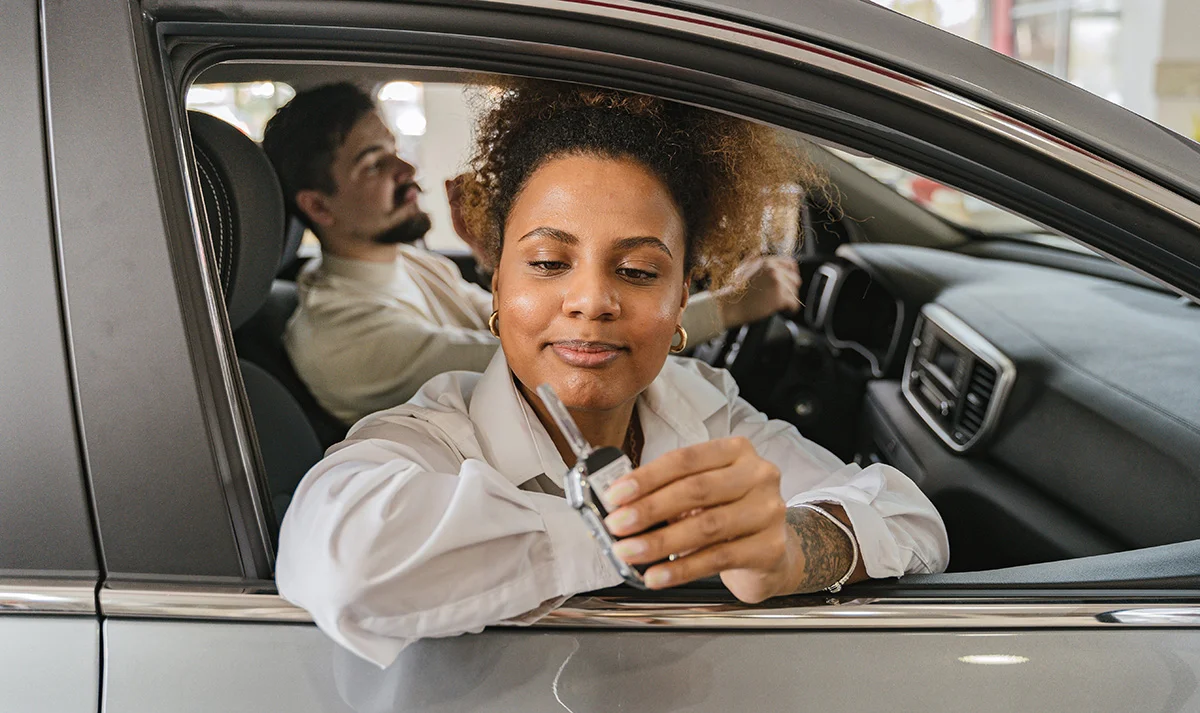
GAP (Guaranteed Asset Protection) insurance is a popular optional extra, particularly for leased or financed cars. If you unfortunately find yourself in a position where your vehicle is stolen or written off, your regular car insurance will cover the current market value, which can be considerably lower than what you owe or paid, thanks to depreciation. GAP insurance pays the "gap" between your insurance settlement and the finance amount you still owe or the original invoice price. For example, if your vehicle is valued at £12,000 at the point when you suffer a total loss, yet you still have £16,000 left to pay on a lease or finance agreement, GAP insurance might pay the £4,000 deficiency.
Do Lease Cars Come With Insurance?
Typically, insurance is not included in a lease car deal, unless there are specific deals, which specialist providers will usually highlight.
Many drivers across the UK are switching from owning their vehicles to leasing them. Whether it is for personal or business use, leasing a vehicle is a cost-effective and flexible option for drivers today. Our friendly team at Car Leasing work with you to explore and discover the best leasing options, so your car leasing journey is smooth and hassle-free. If you are new to leasing, you may be wondering if lease deals also include insurance.

Does Car Leasing Include Insurance?
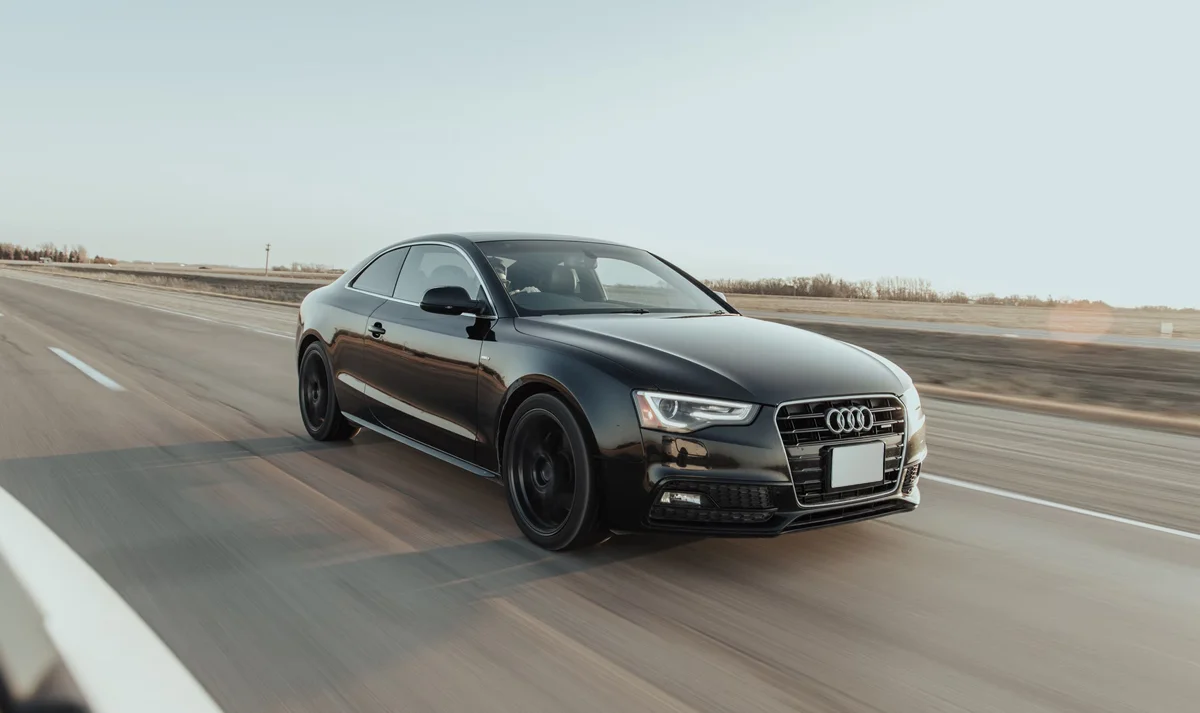
No, insurance is not typically automatically included with leasing deals and is not included in our leasing deals. At Car Leasing, we aim to find the best car lease for you, considering factors such as car makes, models, and maintenance cover, so you can feel confident with your lease deal. However, we are always happy to discuss how to best insure your lease vehicle for the duration of your lease.
Personal and Business Car Leasing with Insurance
If you are searching for personal car leasing deals, it is important to note that the driver named on the leasing agreement is the primary policyholder of the insurance. Not all households are the same; therefore, you might be looking to insure more than one driver.
When it comes to business car leasing, the company director or the company name will be stated on the insurance certificate.
Discover how car leasing works for you and your business.
Is It More Expensive to Lease a Car with Insurance?
No, it's not more expensive to lease a car with insurance. The cost of the insurance will bump up a monthly lease payment, but this means you do not have a separate insurance payment. The price is all rolled into one, instead of individual payments here and there. For some car leasers, opting to include insurance payments saves the stress and financial burden of finding their own insurance deal. When you lease with Car Leasing, we do not include insurance in your agreement, but our team are here to help you with any car lease insurance questions you have.
How Do I Insure a Leased Vehicle?
Insuring a leased vehicle is very similar to insuring an owned vehicle, except for one important distinction: you need to tell the insurer that the car is leased and name the leasing company as the registered keeper. Most leasing companies usually insist on comprehensive cover, which covers damage, theft, and third-party claims.
To begin with, give correct vehicle and lease company information when you ask for quotes, and compare policies on comparison websites or directly with insurers. Ensure your policy lasts the full lease duration of the lease and think about including GAP insurance to cover against financial loss should the car be written off. Ultimately, read your policy documentation thoroughly to check that all lease-related conditions are fulfilled.
If you have questions about your insurance policy when you are leasing from us, please don’t hesitate to contact us. Our team is always happy to run through any questions you have to make your leasing journey as stress-free as possible.
Should I Choose Leasing with Insurance?
This is entirely down to your preferences. You may have options through other insurances you already have, or offers and deals from insurance providers you want to take advantage of. Your circumstances will determine the best choice for you.
There are some reasons why leasing a vehicle with insurance could make sense for you. Firstly, you’ll know it covers everything needed to satisfy the leasing contract. You’ll have the insurance consolidated in your monthly leasing cost, so you’ll know your spend for the entire duration of your lease (up to five years).
In the unfortunate event your car is written-off (or stolen and not recovered), the vehicle will be valued as if it were at the end of its leasing contract at that point. Leasing with insurance ensures that any financial difference between the insurance settlement value of your car and the end-of-contract value is met, so that you won’t be out of pocket.
However, all this still goes for finding your own insurance for your leased car. With our helpful team on your side to guide you, you can shop around for your insurance and use any benefits you may be entitled to from other policies you already have in place.
Insurance is a must, whether you lease or own your vehicle. When leasing a car, the car lease company will most likely require you to have fully comprehensive insurance to protect their asset to the fullest extent. The terms and conditions of insuring a leased car can sometimes be confusing, especially if this is your first car lease. Please reach out to our team if you have any questions about insuring your leased vehicle. We can talk you through your options and make sure you know exactly what is needed for you to find the best insurance policy.
Frequently Asked Questions
Standard car lease agreements do not include insurance unless you're on a specialised "car lease with insurance" deal. You’ll typically need to arrange your own insurance separately before the vehicle is delivered.
You’ll need a fully comprehensive insurance policy. This provides the highest level of cover and is usually a requirement from the lease provider to protect the vehicle against damage, theft, and third-party claims.
The main driver of the leased vehicle must be the policyholder. In most cases, this must match the person named on the lease agreement. If it’s a business lease, the company or director may be listed as the policyholder.
Yes, additional drivers can be added to the insurance policy, provided they meet the insurer’s eligibility requirements. However, the main policyholder must still be the primary user of the vehicle.
Yes, lease companies will usually require proof of insurance before they release the vehicle to you. You may also need to confirm that the policy meets their minimum standards, typically full comprehensive cover.
Most insurers do cover leased vehicles, but you should always check that the policy meets the lease company’s requirements. Some insurers may ask for additional details, such as the lease agreement or finance structure.
Yes, you can earn a No Claims Bonus if you take out the policy in your own name and don’t make any claims during the policy term, just as you would with a privately owned vehicle.
Yes, lease companies will usually require proof of insurance before they release the vehicle to you. You may also need to confirm that the policy meets their minimum standards, typically full comprehensive cover.
To reduce your premium, consider increasing your voluntary excess, improving vehicle security, parking in a secure location, and comparing quotes from multiple providers. Building up a No Claims Bonus also helps lower costs over time.