
Caution: Potholes Ahead - How can we manage our pothole problems?
If you drive anywhere in the UK, you will be familiar with the poor state of our highways and byways. Wherever you drive - city or rural, minor track or major route - roads are showing signs of neglect. In addition to poor surfaces, sunken drainage grids and inspection covers are also significant hazards. At the very least, bad road surfaces make for uncomfortable journeys; if you are unlucky, they might damage your car or cause an accident.
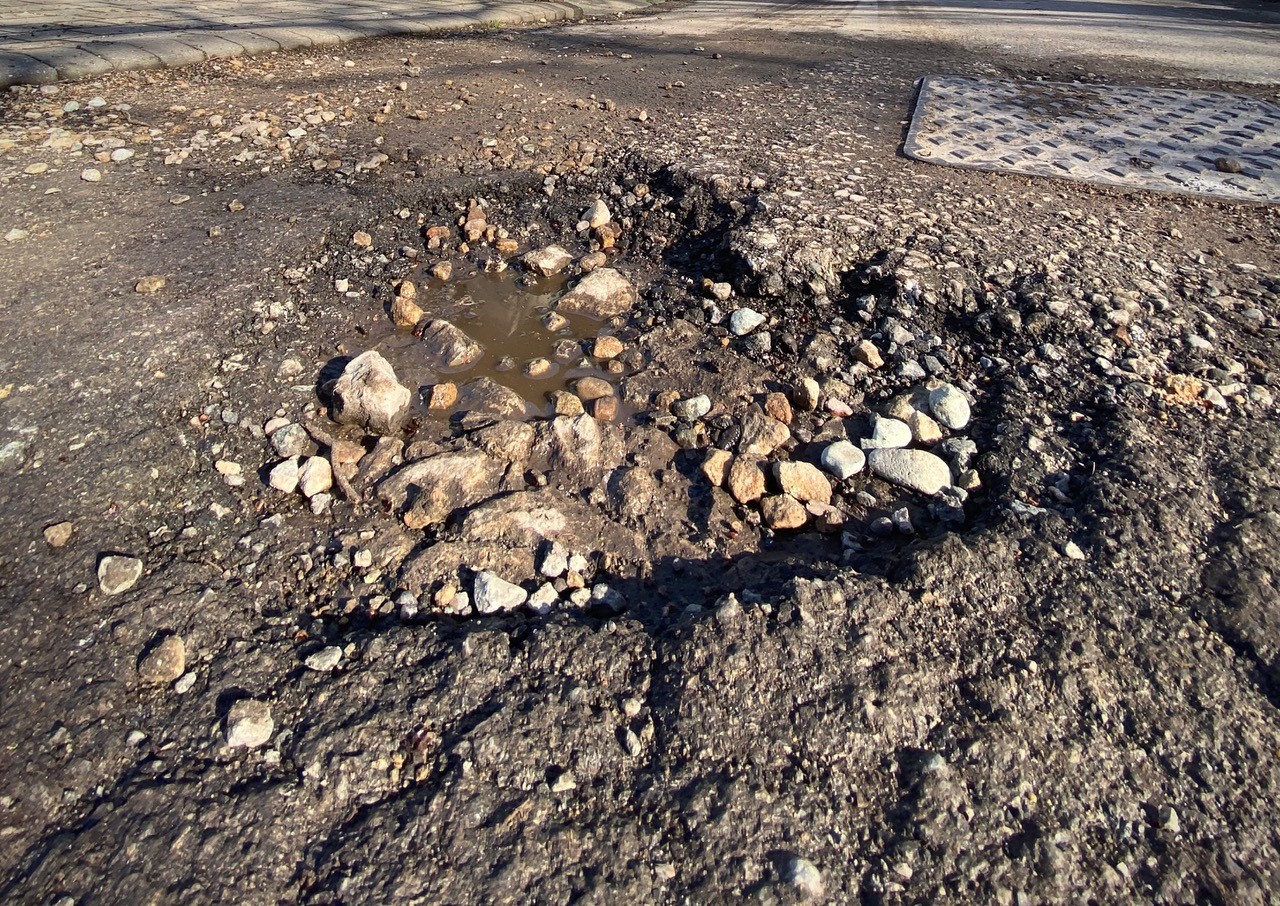
What’s the problem?
Potholes are more prevalent after winter with water and ice damage. Where the surface has existing holes and cracks, water runs in and as it freezes, it expands, breaking up already crumbling surfaces.
Car design hasn’t been kind over the last couple of decades either; larger wheels with lower profile tyres worsens the ride over bad surfaces. And the use of run-flat tyres with their stiffer side walls - designed as a get-you-to-the-garage measure in the event of a puncture - mean an increasingly firm ride.
And the roads are getting worse. Cash-strapped councils are performing short-term repairs and cheaper re-surfacing rather than properly fixing sections of road.

Are they really becoming worse?
The simple answer is yes. From 2006 to 2020, drivers became 1.6 times more likely to break down due to pothole damage according to the RAC.
Vehicle damage
People make a big play about the pothole damage but what are the things which can actually happen when your vehicle hits one?
Tyres
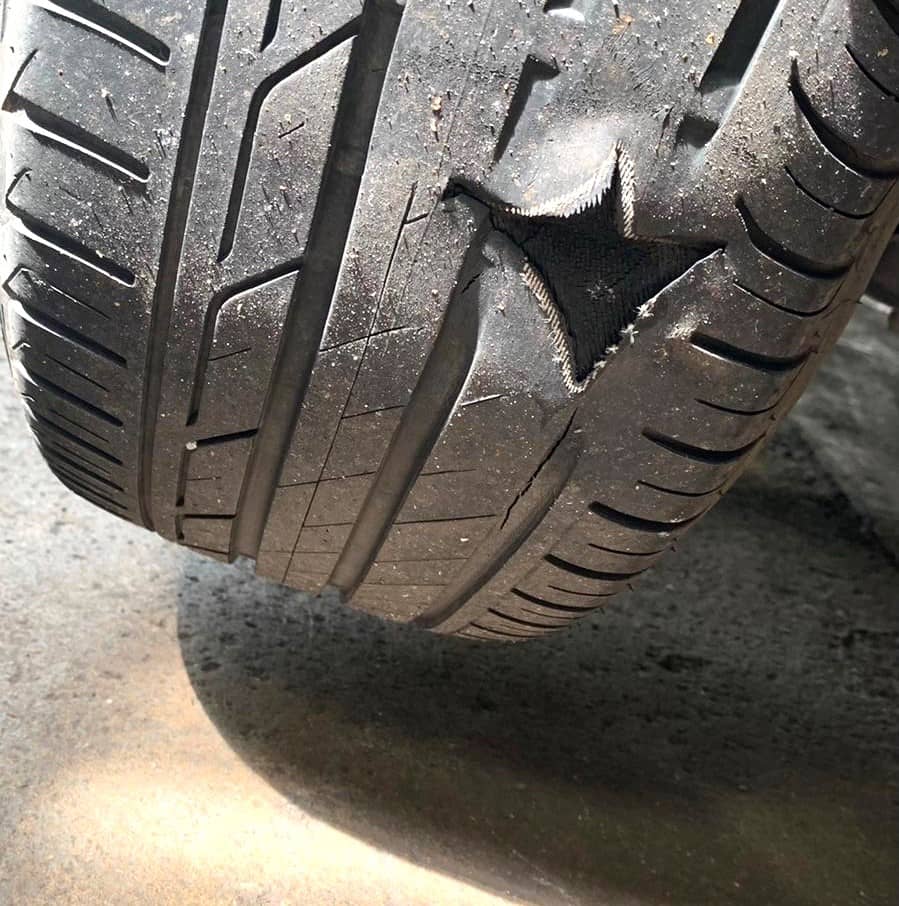
These take the brunt of any defects in the roads. Damage can be immediate and visible with a split or puncture. Tyres can also sustain less visible damage to their internal structures, weakening them.
Wheels
Wheels can become distorted, cracked or even shatter as a result of hitting a pothole.
Geometry
Even if there is nothing visible, your vehicle’s wheel alignment and tracking can be affected. This in turn can cause uneven tyre wear or affect your ability to brake safely.
Suspension parts
Broken springs and distorted or snapped suspension parts are all possible if you hit a bad pothole, with a very real risk of an accident.
Electronics
Modern vehicles are packed with electronics on wheels and suspension. There are tyre pressure and brake sensors and sportier models monitor and control the suspension position. All of these can become damaged after a significant pothole impact.
What’s being done
The good news is councils in England are to be allocated £500 million this year to repair 10 million potholes scattered across the country's local roads. The funding is the second installment from the £2.5 billion Potholes Fund launched by the Chancellor in 2020.
The AA welcomed the news that more potholes will be filled but commented local roads are in desperate need of resurfacing rather than merely being patched.
How should I drive?
Prevention is certainly better than cure when it comes to pothole damage, if not for your safety then certainly on your wallet. Even smaller potholes - especially hit at speed - can cause trouble. Here are our top tips for avoiding pothole damage:
Try to avoid them! Obvious advice but not always easy. And it’s also dangerous to veer wildly toward other traffic or pedestrians.
Ensure your tyres are correctly inflated and check them regularly.
Leave sensible distance between your vehicle and the one in front. That way you’ll have more time to check the road ahead for potholes.
Avoid puddles - you don’t know what’s lurking beneath their surfaces. And if water gathers in a certain spot, chances are it will be having an adverse affect on the surface quality.
Moderate your speed - if you do hit a pothole by accident, travelling more slowly is likely to do less damage.
Hold the steering wheel properly, with both hands. If you do hit a pothole, the wheel is less likely to be jarred out of your grip.
Try not to brake or accelerate over them - this will aggravate the impact to your vehicle.

If you have hit a pothole and you have concerns about damage, firstly stop - where safe - and inspect your car for damage to the tyres, wheels and suspension if you can. And get the vehicle inspected for hidden damage, such as pushing the steering geometry out of alignment as that could make the car less safe and generate uneven tyre wear.
What can you do if you see a pothole?
The website FixMyStreet.com can be used to report anything from a faulty street light to damaged road surface. For reporting issues on faster roads such as dual carriageways and motorways, contact [email protected] for Highways England, https://www.mygov.scot/report-pothole for Scotland and [email protected] for Wales.
How to claim for pothole damage
Councils have a statutory defence that they can’t be held liable for defects they aren’t aware of. Therefore you’ll stand a better chance of a successful claim if the pothole has been reported.
You must address to the right authority. For major roads: Highways England [email protected]; Scotland https://www.mygov.scot/report-pothole; Wales [email protected]; Northern Ireland: Department for Infrastructure
For minor roads, find out how you can claim for pothole damage from your council by searching for yours here: https://www.gov.uk/find-local-council
To support your claim for pothole damage, you should:
Provide copies of repair invoices or estimates
Download your MOT history (if vehicle older than three years) to show no prior advisories on tyres or suspension
Make notes at time once you have parked safely
Photograph damage and pothole if it is safe to do so
Provide witness details
Remember to show courtesy and be willing to negotiate, partial compensation is better than none!. You can go to the small claims court - but remember, you could incur legal costs which aren’t recovered. And do understand you may not receive compensation so set your expectations accordingly.