

The global semiconductor shortage
What are semiconductors?
Semiconductors - otherwise called microchips - form the basis of many electronic components and are used in almost all aspects of our lives, from mobile phones and laptops to telecommunications and cloud computing infrastructure. And with all the features we expect on a new vehicle, they’re critical to the automobile sector too.
You might have read that they’re in short supply, but why is this and what’s the real impact?
Why is there a shortage?
The obvious answer is the Covid-19 pandemic but it is slightly more complex than that.
Initially there was a significant increase in demand for personal computers, tablets and smartphones at the height of the pandemic, diverting much supply away from the automotive sector. There have been virus-related closures at semiconductor factories and shipping ports too.
But many motor companies cut orders for semiconductors last year – believing the pandemic would negatively impact demand. And this caused suppliers to reduce capacity.
The opposite happened and global demand actually grew. A fire at a semiconductor plant in Japan and power outages in Texas, due to storms, exacerbated the problem.

Why are semiconductors key to the automotive sector?
A modern car typically requires between 1,000 and 3,000 semiconductor devices, to control critical functions and provide drivers with the desirable features that we have come to expect.
These chips perform various tasks such as microprocessing, switching, sensing and signal amplification: all key functions for a vehicle’s sensors, safety features, control functions and infotainment systems.
They are particularly in demand in technically advanced hybrid and electric vehicles, the sector with the greatest recent growth.
What’s the impact of the shortage?
While carmakers battle for supplies of chips - in competition with technology and telecoms companies - it means fewer have been available and car makers have had to adjust production accordingly.
This means some factories have seen temporary closures and many have reduced shifts to lower output capacity accordingly. Chip costs have also risen as firms fight for available stock.
This reduced vehicle production has increased the lead times when ordering new models and forced car makers to look critically at how they might deal with the challenge.
A luxury car maker such as Jaguar Land Rover are certainly feeling the pain with their tech-heavy models requiring higher numbers of control systems (and therefore more chips).
Typical lead times for a new model are between six and nine months; this could continue to rise over the next 12 months as semiconductor manufacturers take time to respond to the shortage and start to fill the backlog.
While it’s a trend, there are a few exceptions: Polestar and Tesla, for example, have a healthy stock position and Kia, Mazda and Hyundai are all offering reasonable lead times for many models.
With everything from satnav to electric seats requiring semiconductors, there have had to be some hard decisions around what’s critical. Car companies have been reducing numbers of trim variants and removing certain features and options from vehicles in order to maximise production volumes. BMW, for example, announced it would remove touchscreen functionality from its main display on a number of models.
It’s therefore important to check manufacturer websites to ensure exact specifications are understood: manufacturers are ensuring their information is kept up-to-date and using opportunities when refining model year changes to keep this as simple as possible. This both allows customers to make informed decisions and reduces the impact on orders already in build.
As you might expect, carmakers are keen to maximise profits, despite lower production volumes and higher semiconductor prices so are continuing to reduce new vehicle discounts. Initially, this was reflected in the higher cost channels such as daily rental and tactical; now it is cascading to the end-user for standard contract hiring and leasing.
List prices continue to rise; while this happens naturally anyway, increases have been higher than expected.
This situation is not expected to change in the immediate future and the uncertainty means companies aren’t offering price protection on outstanding quotes.
Demand for commercial vehicles remains strong, but with production in Q3 down by around two fifths due to chip shortages, supply challenges are expected well into 2022.
As with cars, truck makers are simplifying their ranges where possible and reviewing order banks to identify orders which can potentially be removed or reprioritised to try and free up supply. Those with any spare allocation advise that free build slots are filling quickly.
It’s not just the supply of new vehicles of course; replacement parts containing semiconductors are also impacted. This means increased downtime as repairers seek replacement items.
The challenge to pick up a new car or LCV quickly has led to increased demand for used models, especially nearly-new. It’s a double-edged sword for buyers with higher forecourt prices but stronger residuals as dealers cash in on the semiconductor shortage.
Will the situation improve?
The chip industry is reacting fast to the crisis and key suppliers such as Intel are investing to increase production. While this will take some time to resolve the backlog, there is light at the end of the tunnel, even if experts’ views differ about quite how long the tunnel is. Some car companies expect the shortage to be cleared by mid-2022; others predict the challenge will run into 2023.
In addition, the 2021 summer factory shutdowns across Europe allowed car companies time to complete essential servicing and retooling. This ensures these assembly plants can operate at full capacity, as and when they have the parts supply and workforce available.
The shortage will influence how vehicles are allocated across sales channels. Low margin vehicle sales will almost certainly continue to be minimised where practical.
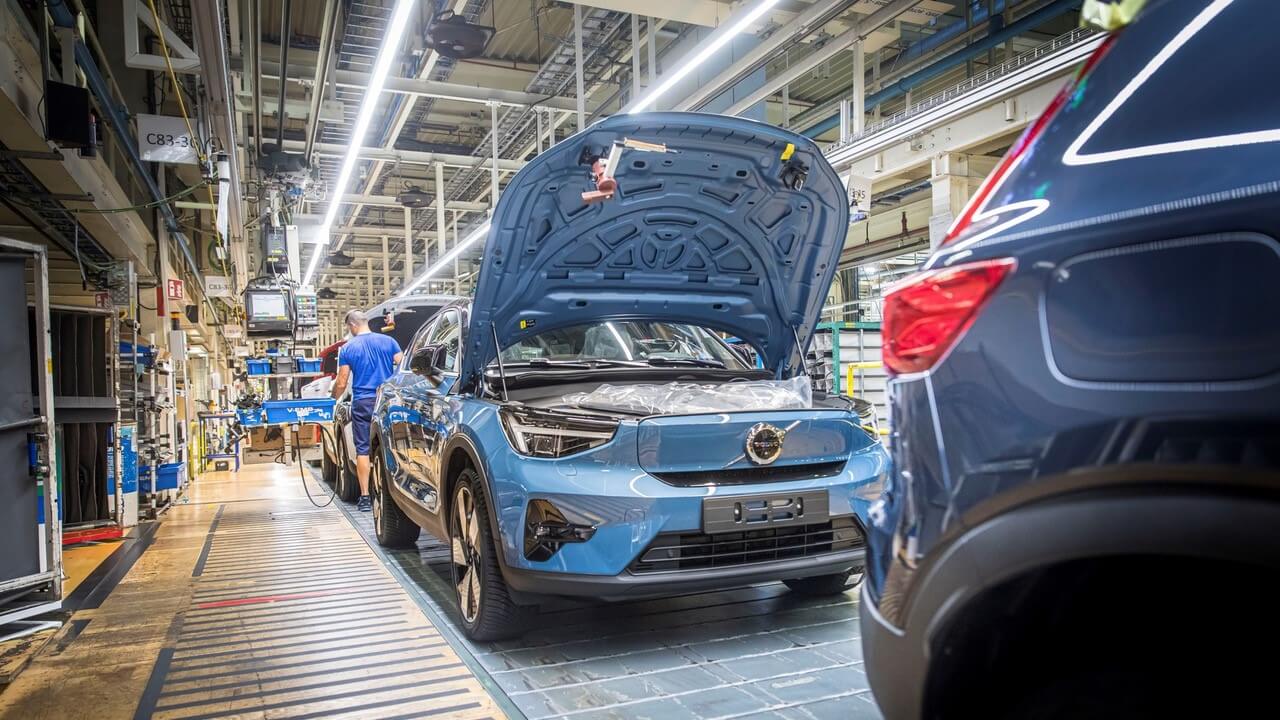
The key messages
Vehicle manufacturers are driven by profit so you can be assured they’re doing everything possible to alleviate the situation.
They will aim to protect dealer networks due to their profitability so stock allocation will be ring-fenced. We can also expect further changes to the way dealers are targeted and remunerated, largely shaped by each manufacturers’ appetites to influence different sales volumes in the different channels.
As you might expect, the industry is eager to satisfy orders and maximise production. The key message is to get your order in early and put yourself in the queue for the new vehicles. This is especially important for those keen on switching to an EV for their advantageous BIK rates; the sooner you’re on the list, the sooner you’ll be able to switch.
Although we are experiencing international vehicle shortages at Car Leasing, we are continuing to deliver our renowned quality customer service. We're encouraging customers to enquire about our lease vehicles using our contact form and contact line. Browse our unbeatable deals and get in touch today to get your orders in ahead of renewal dates.