
Most picturesque places to drive in the UK
When it comes to dramatic scenery and invigorating roads, it’s sometimes easy to forget what the UK has to offer. We have astonishing landscapes and some of the most enjoyable driving routes right on our doorstep. Here are our top 10.
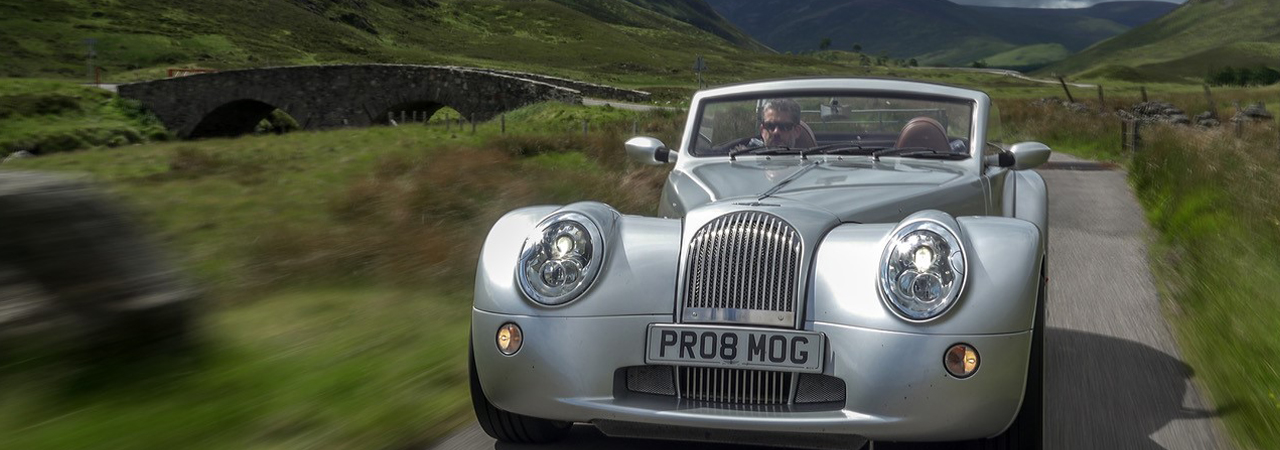
1. Cairngorms: Pittlochry to Dufftown
It’s hard to pick a favourite in Scotland but the Cairngorm National Park is one of the best routes. The 89 mile run from Pitlochry to Dufftown starts with the A924 up to Kirkmichael where you pick up the B950. Then it’s left onto the A93 at Dalruzian and this is where it gets interesting. It enters the Cairngorm national park near Dalnagar Castle and on through Glenshee and the Spittal of Glenshee.
You’ll experience the breathtaking scenery and glacial formations are evident right across the landscape. Depending on the time of year, you might enjoy the glorious purple heathers and bright yellow gorse delivering its heady scent.
Approximately halfway is Braemar Castle. At Tomintoul, a welcoming small town, take the B9008 all the way to Dufftown where - if you have resisted distilleries along the way - you’ll find the fabulous whiskies of Balvenie.
2. Arran coastal route
You’ll need to take the car ferry across from Ardrossan on the mainland into Brodick Bay on Arran. From Brodick, the island’s capital, there’s just one coastal route so you’ve a simple choice: clockwise or anti-clockwise. The 56 mile circumference skirts the shoreline so it’s particularly tempting to stop at any of the beaches.
Lamlash, Whiting Bay, Blackwaterfoot and Pirnmill are the main settlements. And for whisky lovers, there is the Arran distillery at Lochranza situated at the northernmost tip.
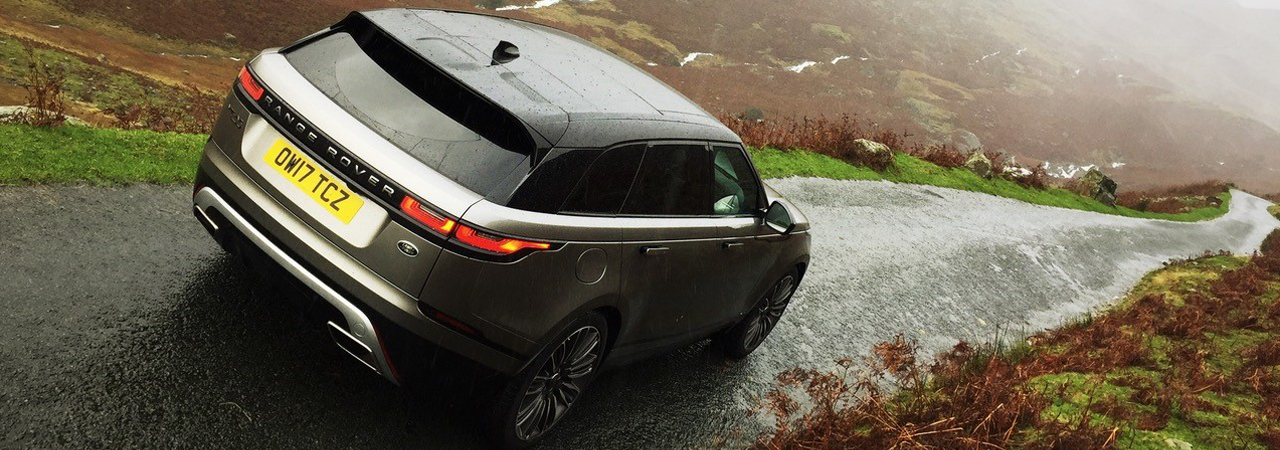
3. Hardknott pass, Lake District
If not for the astonishing scenery - a geography lesson in glacial landscapes - then the fact this is the steepest road in the UK makes it a must for those who enjoy a thrilling drive. There are hairpin twists and turns. And there’s the weather, often making this route treacherous and completely impassable throughout much of the winter.
Start at Little Langdale and progress along Wrynose Pass. You’ll reach Hardknott pass with its one-in-three ascent and then progress down to Eskdale. For the most enjoyment, turn around and drive the reverse route, a true test for your brakes.

4. Dartmoor
It is easy to see why Dartmoor National Park has a rich, dark history: it is a raw and ragged moorland with an entirely discrete climate. Look at any same view twice and it will have transformed within seconds due to the constantly changing light and churning cloudscapes.
Dartmoor is rich with folklore: pixies, sprites and spine-tingling legends. The main route from Exeter to Tavistock is a delightful ribbon of road, but take time to explore the minor roads and venture off by foot to seek the views. If you are lucky, you’ll enjoy atmospheric, eerie mists - usually early in the morning or as dusk settles.
5. Northumberland
Northumberland has many astonishing castles, long empty beaches and clear undulating roads. We’d suggest starting at Alnwick with its castle and gardens then driving north along the coast roads via Bamburgh castle. Continue northward to the Holy Island of Lindisfarne with its priory ruins, castle and ancient church. It is a peaceful and spiritual place, once the home of St. Oswald and where the Lindisfarne Gospels were created.
You’ll need to check the tide times for Holy Island as the causeway is only passable at low tide.
6. Peak District
The Pennines - backbone of England - runs through the Peak District where you’re spoiled for choice when it comes to great scenery and invigorating driving roads.
We’d suggest starting in the north at Holmefirth, where Last of the Summer Wine was filmed. Head south on the twisting A6024 to drop down onto Woodhead pass. Hang a left onto the B6105 which sweeps up high alongside Torside Reservoir then down into Glossop. It’s here you take a left onto the A57 and pick up the aptly-named Snake Pass, eventually reaching Ladybower Reservior. Here, take the A6013.
Next it’s the A6187 via Hathersage to Stanage Edge, a dramatic beauty spot favoured by rock climbers.
The B6521 brings you through Grindleford, then down to the A623 through Baslow, and on toward Chatsworth House in its 1,822 acres of land. Historic Chatsworth is host to many events so it’s worth checking what’s on before you go.
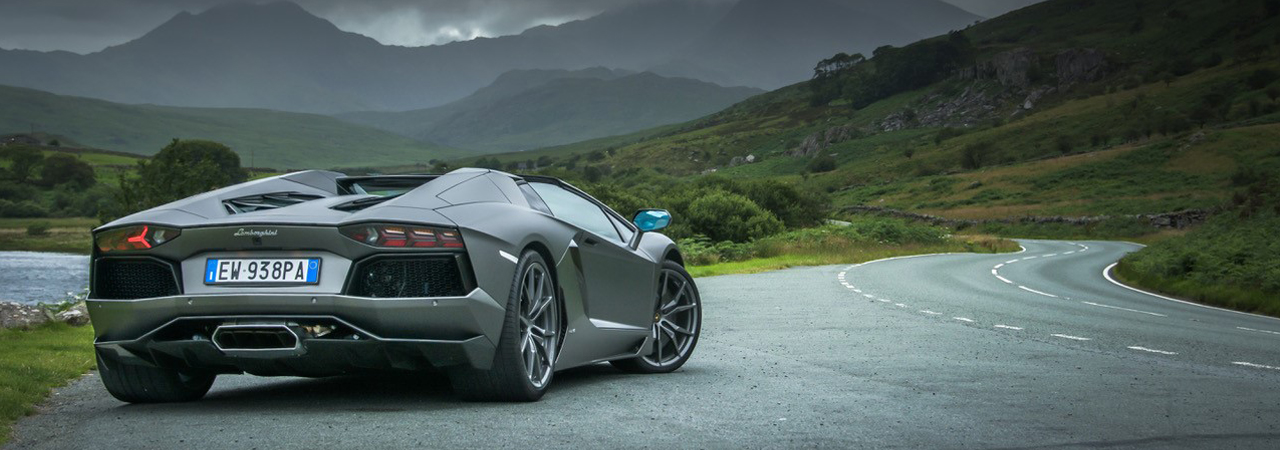
7. North Wales - Snowdonia and the Llamberis Pass
North Wales is home to some of the most variable landscapes with mountains, coastline, moorland, pretty villages and railways. It is also home to man-made features such as the scree from the slate mining at Llamberis.
Starting at Portmeirion, a mysterious and colourful village designed by architect Clough Williams-Ellis, you wend your way via Porthmadog and Tremadog to Rhyd. Join the A487 briefly before heading on the A496, forking to the right onto the B4391 to Ffestiniog. Next, it’s a left onto the B4407 and alongside the River Conwy northwest onto the A5. Carry on through bustling Betws-y-Coed to Capel Curig where you join the A4086. This is the dramatic final stage, in the shadow of Snowdon, surrounded by slate and with the perfect ribbon of Tarmac to take you to down into Llanberis.
8. Cotswolds
Visiting the Cotswolds is like turning back the clock. Pretty, unspoiled villages with stone houses the colour of honey punctuate the beautiful rolling hills.
We’d suggest meandering from Cheltenham to Stratford-upon-Avon. Plug Bourton-on-the-Water, Stow-on-the-Wold, Moreton-in-Marsh, Broadway and Chipping Campden into your satnav for a 50-mile route but stop where the mood takes you. The route has numerous inviting eateries, so take the pace slowly and enjoy the gastronomic delights along the way.
9. N. Ireland: Giant’s Causeway
It would be remiss of us not to feature some stunning Northern Irish coastline and the route up the east to Giant’s Causeway is a must.
Away from Belfast, it is possible to trace the edge of land all the way along the A2, passing through Carrickfergus Castle and Glenarm. There are loops inland to enjoy mountain and forest roads but the ultimate goal is Giant’s Causeway. It’s a couple of hours if you don’t stop, but the point is to savour the journey and take in the natural beauty.
10. Cheddar Gorge
At the edge of the Mendip Hills is Cheddar Gorge, England’s deepest gorge. It was formed by meltwater floods from glaciers and comprises 27 limestone cliffs. It is 137 metres (449 ft) at its deepest.
There is something quite surreal driving through the gorge, a three mile section along the B3135, with dramatic shadows even on the sunniest days.
Cheddar Gorge’s appeal isn’t all above ground; there are caves to explore too, including atmospheric Gough’s Cave with evidence of human habitation from 14,700 years ago.