
Is De-icer Bad For My Car and The Environment?
There is nothing worse than looking outside your window when you are running late for work or to run an errand and find that your car is iced over. Finding simple, quick, and easy solutions has resorted us to using de-icer. Although proven to be very effective, what is actually in it, and can it have a negative effect on my car and the environment?
We are here to uncover all the truths, the myths, and alternative options to de-icer your car during the coldest of months.
What is in De-icer
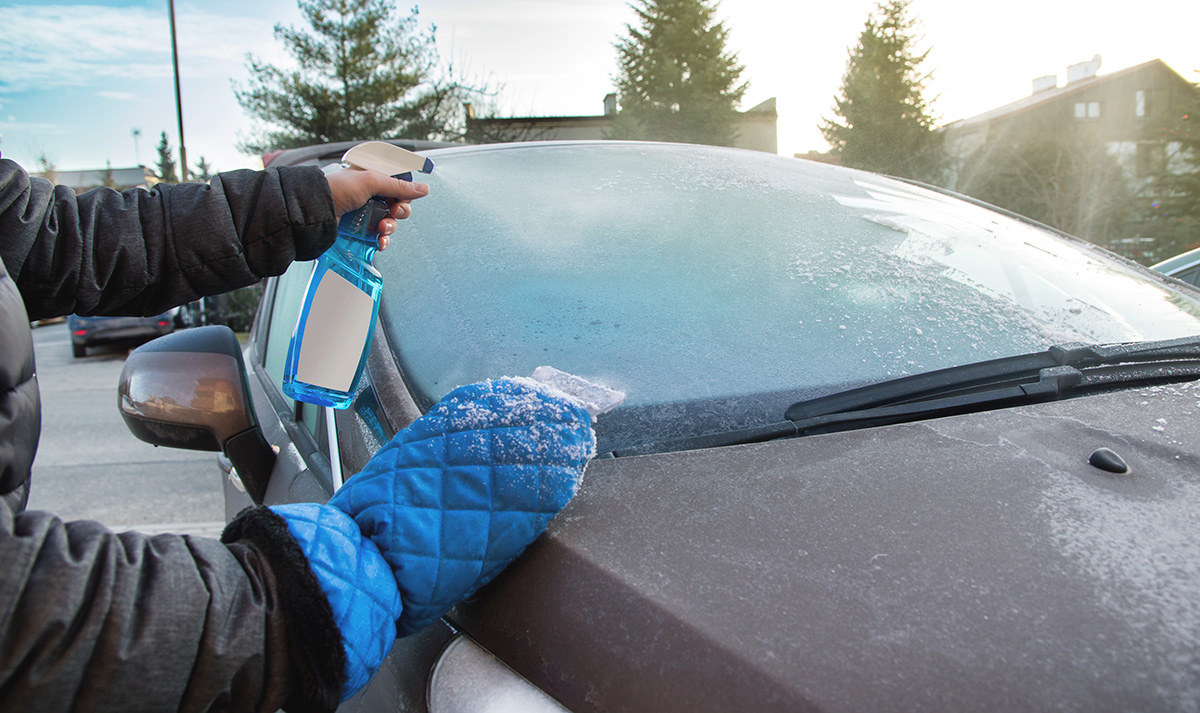
Not every de-icer is made with the same ingredients. However, there are a few vital ingredients that allow the product to work against the toughest ice built up on your car, these include; calcium and magnesium chloride, and sodium chloride (also known as rock salt).
Calcium and Magnesium Chloride: These elements release heat which helps melt the ice settled onto cars and other vehicles. It performs well in cooler temperatures, helping quicken the melting process and getting you set off on your journey.
Sodium Chloride: Similar to placing grit on the road when it snows, sodium chloride adds a protective layer that prevents your car windscreens and windows from refreezing. This element complements the calcium and magnesium chloride to speed up the melting process.
While de-icer is effective, it is important to understand the effects and impacts it may have on your vehicle.
Is De-icer Bad for My Car?
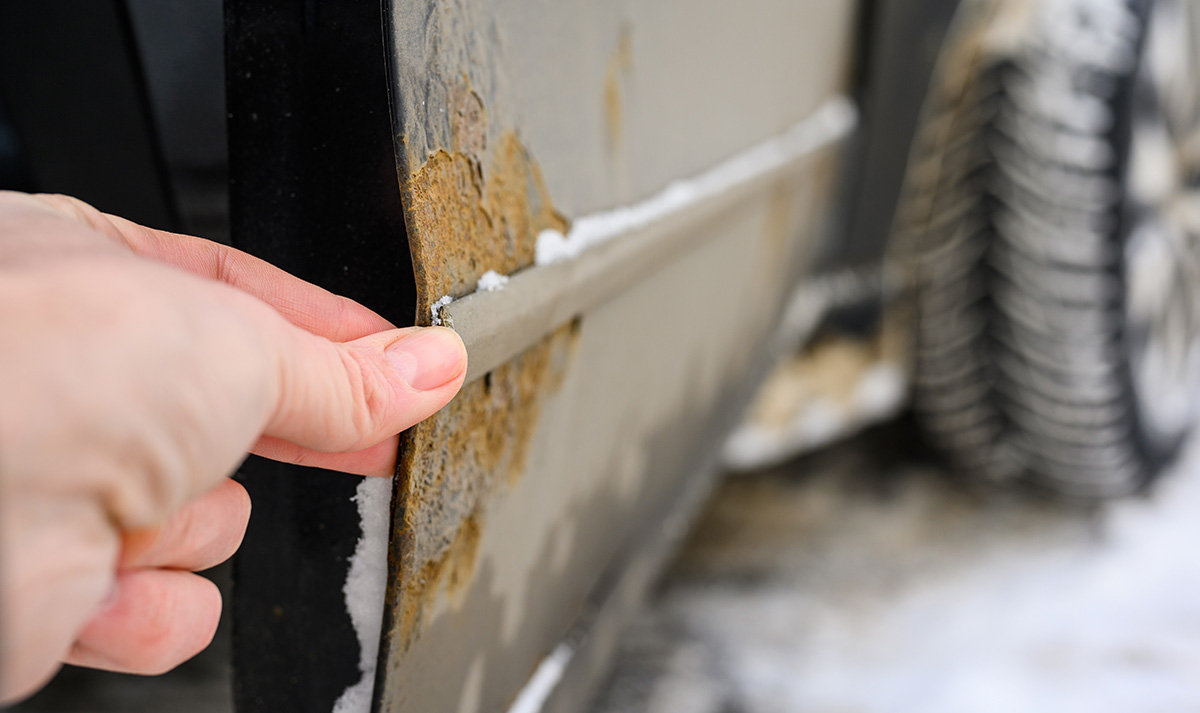
When leasing your car with Car Leasing, it is important to look maintain, and care for your vehicle throughout your contract. We often get asked if de-icer is bad for our cars, and this stems from its ingredients potentially having long-term damage on its surfaces. If the de-icer has contact with metal surfaces such as windscreen wipers and the bonnet of your car, the harsh chemicals can lead to rust.
However, since the 1950s, when de-icer sprays were first invented, some companies have identified these issues which resulted in additional ingredients to mitigate potential damage to cars.
If you are considering using a de-icer on your leased car or van, we strongly advise speaking to one of our friendly experts who will be able to guide you in the best solutions for you and your car.
Is De-icer Bad for the Environment?
Today, drivers across the world are opting for planet-conscious solutions when it comes to leasing a car. This is anything from leasing an electric vehicle (EV) to reducing chemical usage when cleaning and maintaining your car.
De-icer is made from harsh chemicals to speed up the reaction time and set you up on the road quicker than before. Although this may be great in the short-term, it can have some damaging effects on the environment is over-used. After the ice from your car is melted, it runs down your car and finds its way into our water systems which our land and aquatic life live off. Therefore, if you are to use a de-icer, we advise that it is used in small quantities or use some of our alternatives mentioned below.
Alternatives to Using De-icer
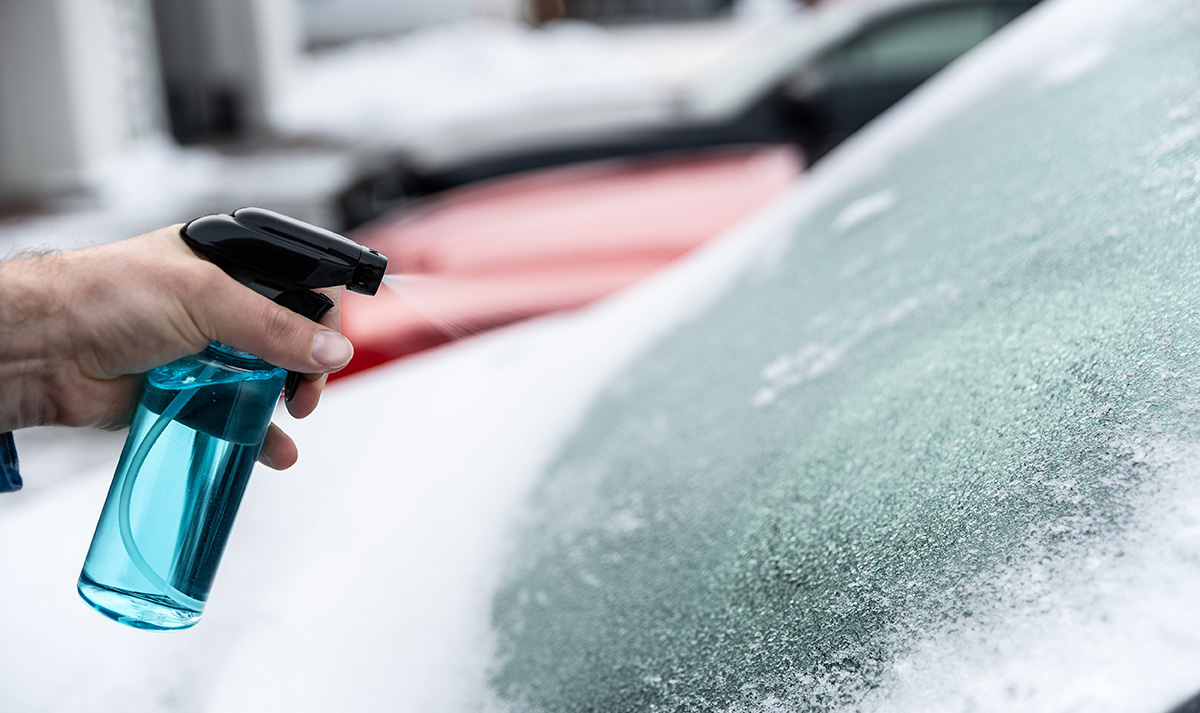
Some drivers might choose to use a de-icer and rinse their car after the use, to prevent any damage to the car itself. But, when it comes to helping the environment, there are a few other methods drivers today choose to use. Including:
Brine Solutions: A mixture of salt and water in a spray bottle will have a similar effect to de-icer without the negative environmental impacts.
Heated Mats: These mats or blankets are powered by electricity. They can be plugged into your car and placed on top of the windshield to melt ice without using any chemicals at all.
Water Bag: Some drivers are turning to fill a plastic bag with lukewarm water and drifting it over the front of their windshield to slowly melt the layer of ice. This is proving quite popular as it is a quick and easy solution, however, we do strongly recommend that the water used is lukewarm and not boiling. This is because when frozen glass is exposed to boiling water, the temperature change can cause the glass to crack.
Striking a Balance for Safer, Eco-Friendly Winter Driving
Overall, de-icing solutions are important to consider during the winter months but finding the right solution for you and your leased car is to be explored.
Although de-icing sprays are a quick and easy solution, they have the potential to cause damage to your leased vehicle. Therefore, we recommend using other solutions which we have previously mentioned or, if you are still unsure what is right for you, give us a call, and our knowledgeable team will help advise you.