
Reckless Driving on Multilane Roads: Dangers, Consequences & Prevention Tips

For most drivers, safety for themselves and others on the road is a main priority. Unfortunately, there are the minority who push their luck when driving. Here we will discuss what we mean by reckless driving on multilane roads, how it can affect other drivers and the consequences it can lead to.
The Importance of Attentiveness and Understanding in High-Speed Zones
Driving on multilane roads requires attentiveness, an understanding of the highway code, and respect for fellow motorists. Multilane roads are often national speed limit roads and it only takes a driver to lose concentration for a second to cause an accident, especially at higher speeds.
With the increasing number of driving offences recorded yearly, it's evident that not all road users exercise due care and attention as they should. Here, we dive into the world of reckless driving, highlighting key concerns and essential advice.
Driving Offences on Multilane Roads

Reckless driving is not a term thrown around lightly. It embodies a range of driving offences, from phoning while driving to overtaking dangerously or even jumping red lights. These actions, often committed without giving due care and attention, can lead to severe consequences both for the offender and other road users.
Driving Under the Influence
One major offence that's on the rise is driving under the influence (DUI). Despite the repeated warnings and awareness campaigns, many still risk lives by making the wrong choice.
Alcohol and drugs have a big impact on a person’s reactions and actions in general. Someone who is usually a very cautious and conscientious driver may become dangerous and impulsive if they are over the limit. In England, Wales, and Northern Ireland, the legal alcohol limit for drivers is 80 milligrams of alcohol for every 100 millilitres of blood or 35 micrograms of alcohol in every 100 millilitres of breath. Determining how much you can drink and remain within the legal limit is challenging, as it's influenced by factors like weight, age, metabolism, and the food consumed, among others.
While methods like taking a shower or having a coffee might help you feel more alert, they don't expedite the removal of alcohol from your body. It always takes time.
After a night of drinking, the effects of alcohol can linger into the next day. Driving in such a state can still result in exceeding the legal limit and risking your licence.
Alcohol's impact varies for everyone, and even a small amount can compromise your driving skills. If you're behind the wheel, the safest bet is to refrain from drinking altogether, as even a single drink might push you over the permissible limit.
If you are found to be driving over the limit or with a positive drug test, the repercussions can be severe. You may be saddled with a criminal record, face up to six months of jail time, receive an unlimited fine, and undergo a mandatory driving ban for a minimum of one year. Should you have two such convictions within a ten-year period, the ban can extend to three years. Furthermore, this conviction can result in an 11-year endorsement on your driving licence, lead to higher insurance premiums, and pose employment challenges, especially if your job necessitates driving. Additionally, such a record could create obstacles when trying to travel to specific countries, including the USA.
The Risks and Penalties of Using Handheld Devices Behind the Wheel
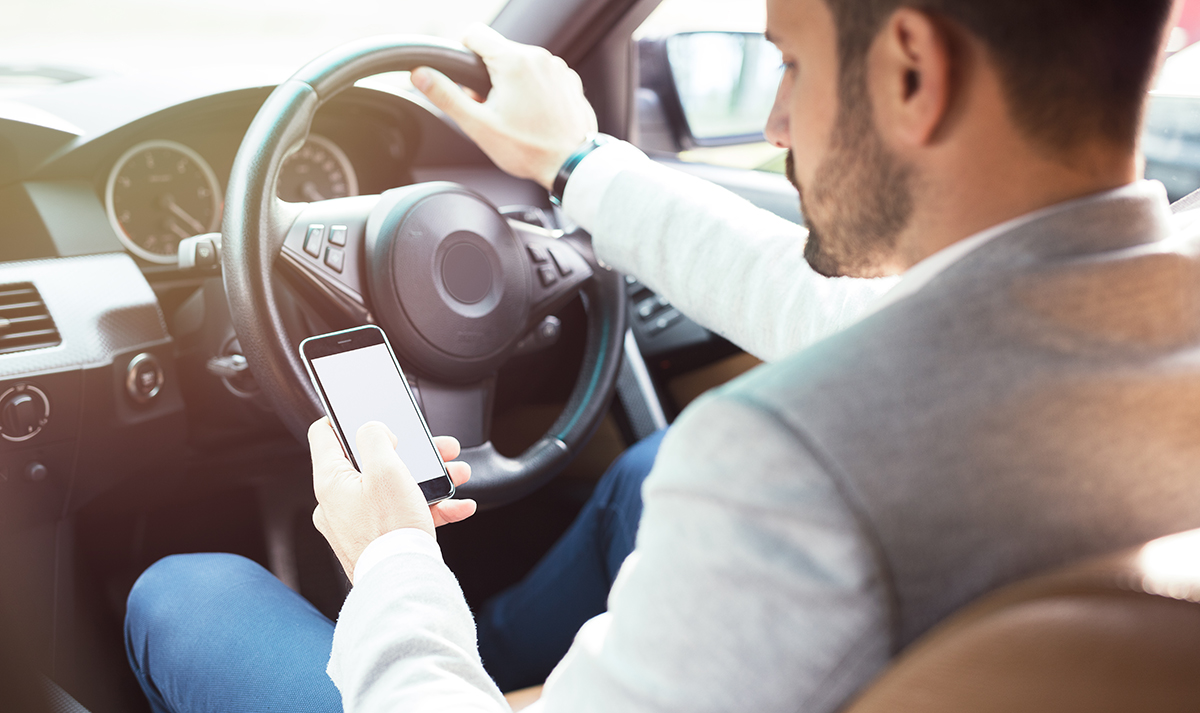
It is illegal in the UK to drive whilst using a device, such as a phone or a tablet. This includes searching for directions, making phone calls, texting, or browsing the internet. This is because when you concentrate on writing a text or checking out the latest social media posts, you are not fully in control of your vehicle or paying full attention to the road and the cars around you.
If you are found to not be in full of control of your vehicle because you are using a hand held device, you could receive 6 penalty points and a £200 fine. You will lose your licence if you have only passed your test in the last two years.
Understanding Middle Lane Hogging on Multi-Lane Roads
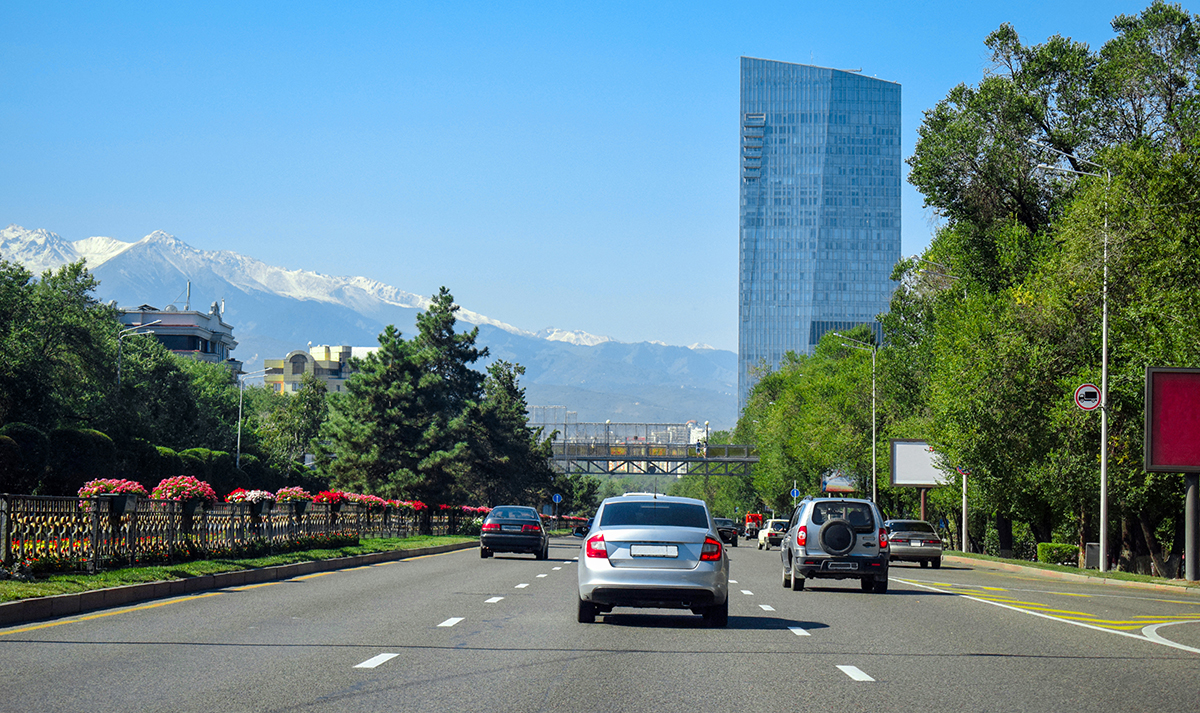
Middle lane hogging typically takes place on motorways with three or more lanes. As per the Highway Code's Rule, Drivers should remain in the left lane when not overtaking. Once you've passed a vehicle, return to the left lane when it's safe.
However, some drivers persistently use the middle lane even when not overtaking. Such behaviour, which is also known as middle lane hogging, disrupts the flow of traffic. A single vehicle unnecessarily occupying the middle lane can lead to bottlenecks, forcing other drivers to use the far-right lane to pass. Hogging the middle lane can also lead to dangerous manoeuvres like undertaking.
There are of course reasons to use the middle lane. For example, when you are continuously overtaking several vehicles, it is safer to stay in the middle lane than swerve in and out of the traffic. It is also important to stay in the middle lane for certain road signs, such as if the first lane is closed. In most cases, however, the middle lane should be used briefly and primarily for overtaking or to accommodate vehicles entering the motorway.
Classified as 'careless driving', middle lane hogging is indeed illegal. Those who hog the middle lane not only irritate fellow motorists but also face legal consequences. Since 2013, law enforcement officers can stop such drivers and impose an immediate fine of £100, along with three penalty points on their licence.
From Careless Driving to Dangerous Driving
Careless Driving: This is when a driver's behaviour falls below the expected standard of a careful driver. For instance, hogging the middle lane can be classified under this offence.
Dangerous Driving: When driving poses an obvious risk to others, it's termed dangerous driving. Overtaking where visibility is poor or driving way above the speed limit can be categorised here.
Due Care and Attention: Every driver is expected to give due care and attention to the road and their surroundings. Failure to do so, like phoning while driving, can lead to accidents.
Tips for Safe Driving on Multilane Roads
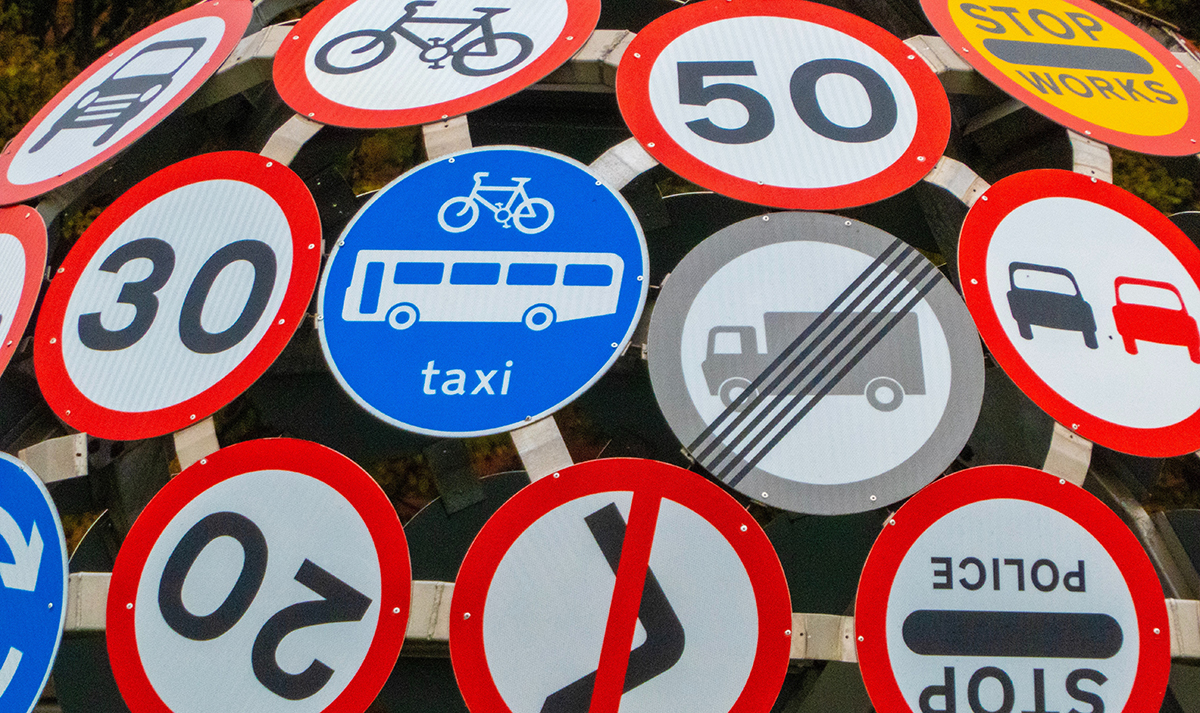
Stay safe on the road by following these simple tips:
Learn the Highway Code: Keep updated with the latest rules for safe driving.
Stay Focused: Don't use your phone or fiddle with the radio while driving.
Use the Right Lane: Don't stay in the middle lane too long; always use lanes properly.
Don't Drink and Drive: If you've had a drink, get someone else to drive.
Follow Traffic Rules: Always stop at red lights and obey traffic signs. They're there to keep everyone safe.
Navigating the Balance of Convenience and Caution for Safer Journeys
While multi-lane roads are designed to accommodate more vehicles and ease traffic flow, they also come with the responsibility of being extra cautious. Whether it's resisting the temptation to phone while driving or giving due care and attention to the road, every small action counts towards creating safer roads for everyone. Always remember, the safety of all begins with you. Stay informed, drive responsibly, and ensure you're not part of the growing statistics of driving offences.