
Jaguar XE 2019 Review
The XE was launched in 2015 and has been Jaguar’s attempt to muscle-in on the mid-size premium saloon sector. The 2020 model year car brings a whole host of updates - certainly more than just the new-bumpers-and-lights refresh - making this an attractive competitor to the Audi A4 and BMW 3 Series. Jaguar hasn’t made a song and dance about the new XE which is a shame because there’s an awful lot to like. The updates address some earlier niggles and many of the welcome improvements sit subtly beneath the car’s skin.
What's new?
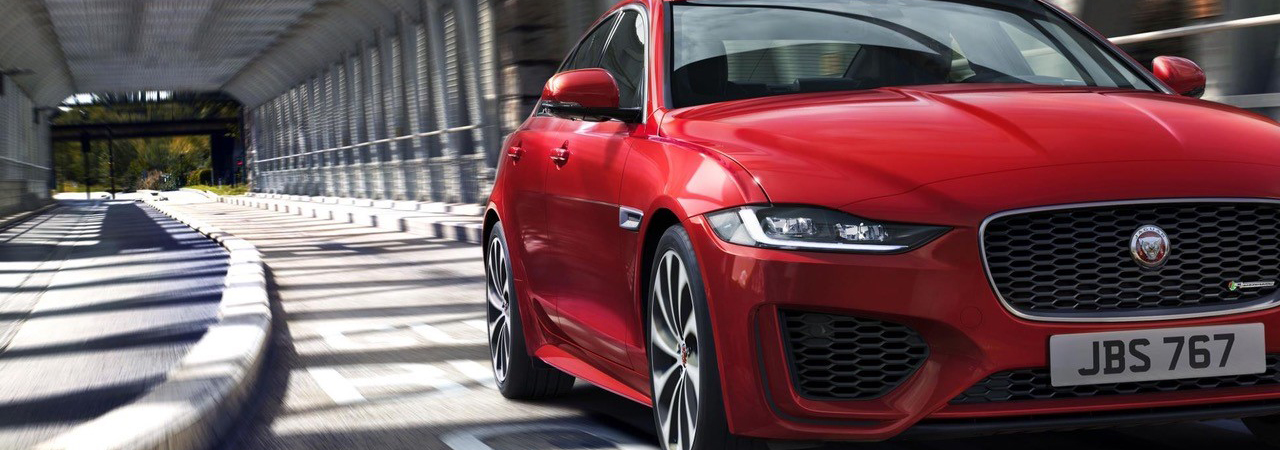
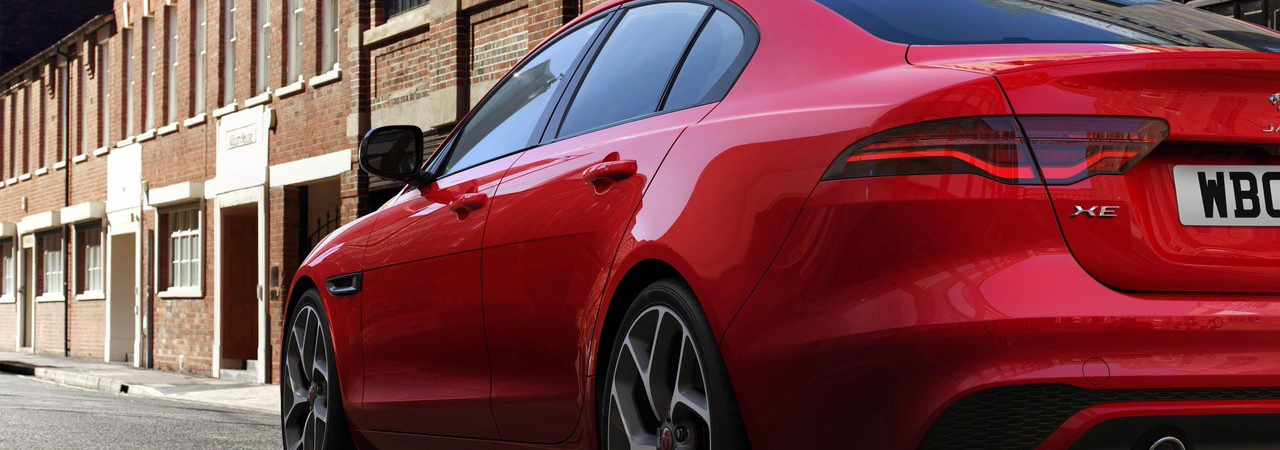
Outside, the XE has adopted the Jaguar signature sweeping LED lighting front and rear. The front bumper shape is a little crisper with the corners wrapping around cleanly into the wings. At the rear, the neater lights and slightly more intricate lower bumper design distinguish it from earlier cars.
Inside, the first thing to spot is the new dashboard, updated infotainment screen and revised lower central console. All but the entry S trim have the 12.3-inch digital display in front of the driver, shared with Jaguar’s flagship I-PACE. Heating and ventilation is now managed on a new display - and thankfully, large dials are present for handy tweaks to the temperature. Gone is the rotary gear selector; in its place is a more conventional lever which is less gimmicky and far more intuitive to use.
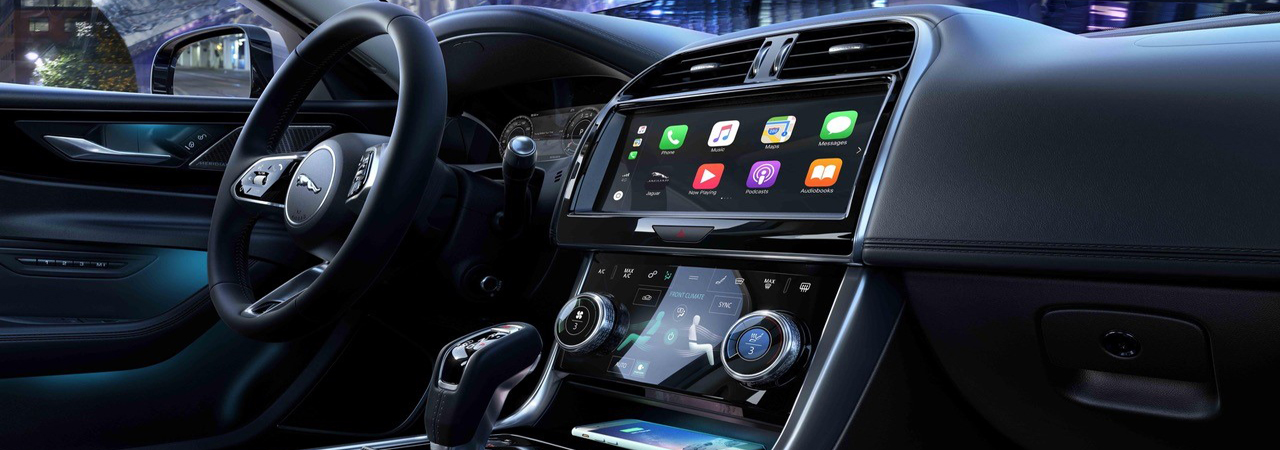
Around the cabin, it’s all pleasingly Jaguar
with the leather upholstery but the rest of the textures and finishes have been
improved too, including new door trims. Even the steering wheel is now the same
as that in the I-PACE.
Engines and trims
Trim-wise, it’s fairly straight-forward with the S, SE or HSE, each available with or without the R-Dynamic treatment (which includes sports suspension, bolder bumpers, side skirts and subtle badging).
Kit-wise, all models are well equipped with even the S having LED headlamps, leather seats, phone mirroring, rear camera, lane keep assist and traffic sign recognition.
Engines are all two-litre, four-cylinder Ingenium units, in either petrol or diesel guise. The D180 diesel is either rear- or all-wheel-drive. The P250 petrol drives the rear wheels; the P300 is all-wheel-drive. Numbers refer to the impressive power outputs in PS. All models are automatics.
Sliding behind the wheel
There’s something different about the seating position in a Jag that sets it apart from the mainstream German rivals. The low dashboard and visible bonnet hump make for an open and inviting forward view.
Jaguar has always made a big play of the driving experience and the new XE steps up here. The P250 petrol engine on test is certainly brisk enough and delivers a particularly pleasing exhaust note when it is worked a little harder. The petrol engine is more refined than the diesel and delivers the smoothness you’d expect from a Jaguar. It’s not without some low level vibration but feels responsive and better matched.
Ride has noticeably improved and even with R-Dynamic spec and sitting on the larger 19-inch wheels, the new XE has a pliancy not present on the first generation cars. If you do wish to throw your ‘sporting saloon’ into the corners, you’ll find it is well balanced, although can prove a little tail happy if provoked.
Summing up
Any downsides? It’s not quite the roomiest in its class. There’s a little lag on some of the digital controls. And to maximise comfort, we’d steer away from the R-Dynamic option and keep wheel sizes down. But all in all, it’s an attractive and very refined way to travel.