Seat Tarraco
If you are in the market for an SUV, there is a rich choice and new models are arriving at an impressive rate. Even within a single manufacturer’s line-up, there can be three or more to choose from. And so to the all-new Seat Tarraco: is it just another SUV or does it offer something special?
What is the Tarraco?
The Tarraco is the largest of three SUVs in the
Seat range. With seven seats, it differentiates itself from other
similarly-sized models from across the Volkswagen Group, excepting the Skoda
Kodiaq. The Seat family of cars also pitches itself as the more sporty,
especially with the recent Cupra brand break-away to complement the Seat
models.
Looks and design
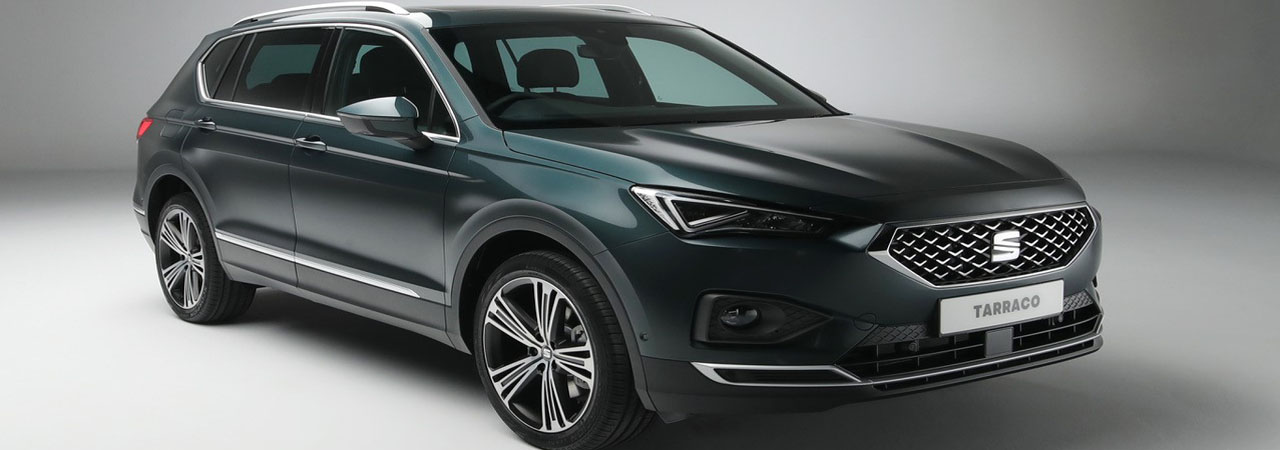
With its sharply-angled DRLs
(day running lights) and broad grille with ‘V’ mesh, the Tarraco is easily
identified as Seat. In profile, sizeable wheel arches lend the Tarraco purpose.
Its side panels are neat but a touch VW Group generic. The DRL angles in the
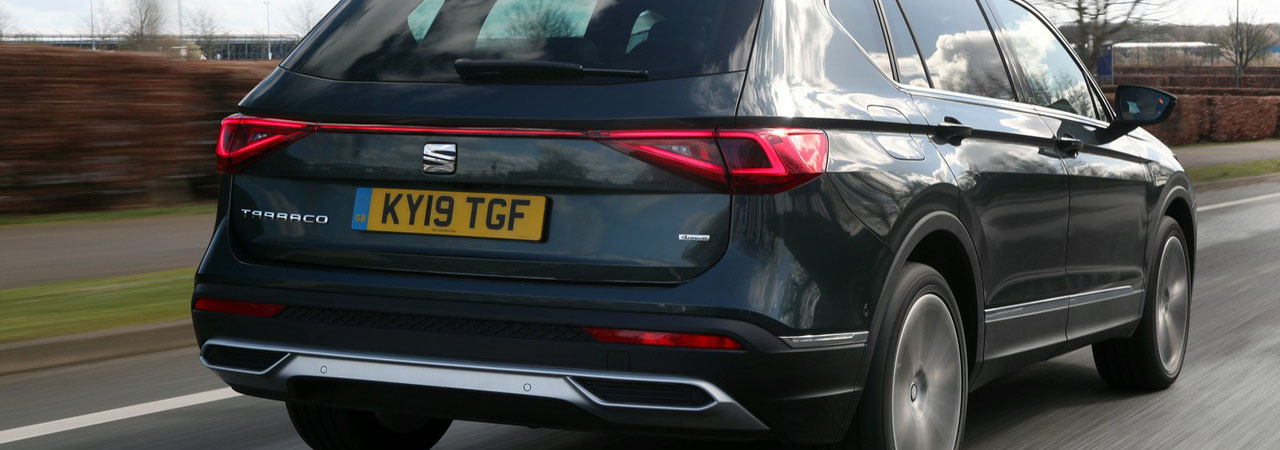
headlamps are echoed in the rear light clusters and there is a neat continuity
of red across the boot lid.
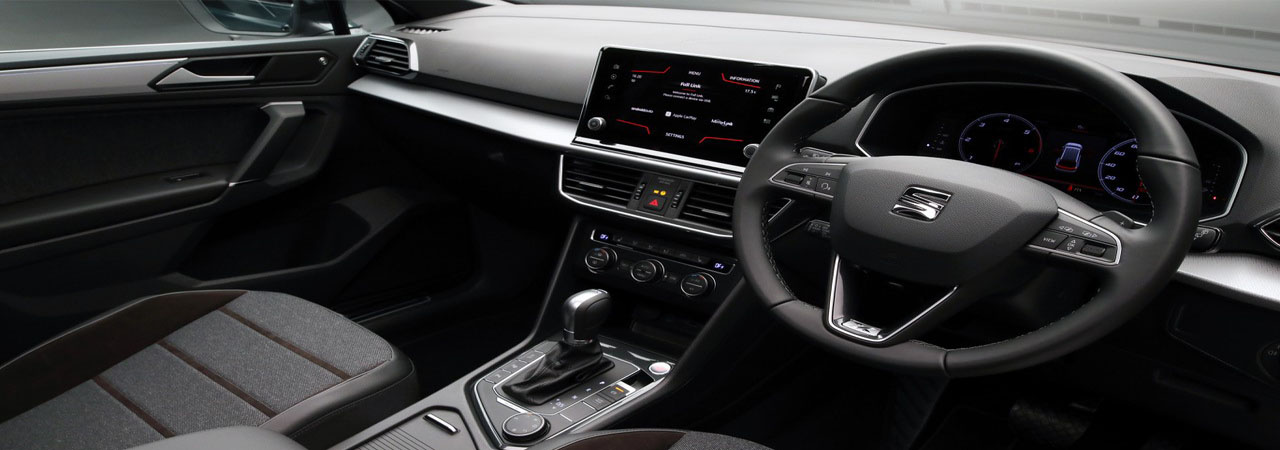
Inside, there is a fresh, slightly angular facia with driver-centric focus. An intimate TFT instrument display sits deeply in the dashboard and the main infotainment screen is angled slightly toward the driver. Materials have a well-made feel with pleasing upholstery details.
The third row of seats are best suited to those not yet fully grown. The access gap is on the small/awkward side although with the middle row slid forward, it is possible to unfold two adults but really only for occasional use. What it does have is a neat space for the parcel shelf under the boot floor, meaning the shelf can be re-instated quickly once the rear-most seats are dropped flat for a more secure boot space.
Trims
In the UK, there is no real entry
model: the lowest specification is the SE which comes fully loaded with
navigation, 17-inch alloys, heated, power folding mirrors, LED headlamps,
cruise plus auto lights and wipers. Importantly, all models arrive with a
decent array of safety kit including Front Assist (which also detects
bicycles), Lane Assist, Tiredness Recognition and Emergency Call.
Above the SE sits SE Tech. Xcellence and Xcellence Lux top the range and two sportier-themed FR variants will be added in the near future to total six trim levels, aligning with the wider Seat range.
On the road
Tested were the 1.5 petrol in Xcellence trim and 2.0 diesel SE. While the diesel is refined, the smoothness of the petrol stands-out. There is also a 1.5 diesel on offer and a PHEV (plug-in hybrid) due in the future.
The Tarraco has an extremely easy clutch (a whisker lighter on the petrol) and very slick and positive gear lever throw making it a doddle to drive. While it’s a sizeable SUV, it is also a precise thing to position on the road. And pushing a little in the corners reveals its fairly neutral handling disposition; the dynamics are well controlled and it has surprisingly little roll. The stand-out difference between true trim levels is wheel size. With its 19-inch wheels, the Xcellence version is slightly tauter but the payback is low speed ride where the patchwork of Tarmac becomes very evident to driver and passengers. The SE with its 18-inch wheels faired better and made for a more restful journey.
Summing up
The refinement of the Tarraco’s cabin is impressive with very low noise levels and light controls. It is certainly an easy SUV in which to cover the miles. In terms of what’s under the bonnet, what the petrol lacks in power, it makes up for in refinement and unless you’re planning to tow or drive fully laden most of the time, will probably suit most needs.
So does the Tarraco really deliver anything different? It’s not a radical departure from a number of SUV but its good driver engagement does add a little (Spanish) flavour all of its own.