
Top 10 Low Emission Cars
Whether you’re a full-octane petrol-head or simply need to pick the right car to satisfy family and commuting needs, it’s hard not to be influenced by the increasing number of attractive electric vehicles on the market.
We know reducing greenhouse gasses makes sense but is going green easier on the purse or wallet? In many cases it can be, when compared to running a comparable petrol or diesel car. It’s not just about a vehicle’s list price: running costs and taxation are massive factors when it comes to vehicle choice.
Let’s answer some common questions, bust a few myths and offer our list of top cars with low CO2 emissions.
Aren’t EVs more expensive?
Yes…and no.
If you look at their outright purchase price, indeed, many are more expensive than a petrol version of the same car. But when you consider leasing, your payments also take into account what the vehicle will be worth at the end of the lease. And an EV is still likely to be worth more to the leasing company than its petrol equivalent when you hand it back so costs will be comparable.
And that’s not the only cost factor…
What about charging compared to re-fuelling?
Then consider the running costs. A tank of fuel costs anywhere between £60 and £100 depending on capacity. To charge your EV off-peak, it’ll cost roughly a tenner and depending on the car, it should give you around 200 miles. You may still get a better range out of a petrol or diesel but a couple of charges and the range is similar for much less money.
And running a plug-in hybrid (PHEV) with, say, a range of around 40 miles, if you are able to drive the bulk of your journeys in EV mode, you’ll benefit there too.
Taxing
Tax rates also favour those driving EVs and PHEVs. Firstly, there’s Vehicle Excise Duty (VED, or road tax). For an EV, it’s zero. Yep, no road tax. A hybrid emitting 50 g/km CO2 or less will be just £10. A petrol or diesel emitting between 111 and 130 g/km of CO2 will cost £180.
If it’s a company vehicle, an EV or PHEV are similarly appealing. EVs command a Benefit In Kind (BIK) tax of 0% (rising to 1% in 2022 and 2% in 2023). A plug-in hybrid with CO2 emissions of 1-50 g/km and an electric-only range of 40-69 miles is still just 7%. A petrol or diesel with modest emissions of 115 g/km of CO2 has a whopping 27% BIK rate.

Grants: now’s the time
The car
Low-emission vehicles approved by the Government are currently eligible for a £2,500 plug-in grant. You don’t need to do anything to benefit: it’s applied by the selling dealer. This is likely to come to an end in the 2022-23 financial year so may encourage you to act sooner rather than later.
The charger
To assist the uptake of EVs and PHEVs, the Government is also currently offering £350 towards the cost of a home charge point. This will be available until 31st March 2022 when owners with detached, semi-detached, terraced properties and bungalows will no longer be eligible; the grant will then be aimed at landlords of rental properties, and those living in leasehold flats.
Are EVs really greener?
It’s important to think about the whole manufacturing process when considering this and it’s widely recognised that a great deal of energy and materials go into vehicles with electric propulsion. And there’s the mining for specific metals needed for car batteries, such as nickel and cobalt. While petrol or diesel cars have a sizeable carbon footprint too, studies have shown the energy impact is greater for an EV,
But…as mileages build up with an EV, the balance shifts and with an increasing number of electricity companies producing green energy - available for charging EVs and PHEVs - the environmental advantage is likely to swing the other way as the car ages.
The other important factor is that where vehicles are most used - towns and cities - pollution must be reduced for the health of local populations. While petrol and diesel models are far cleaner than they used to be, an EV (or PHEV in EV mode) won’t be emitting harmful gasses where people live.
Is it really the future?
Yes, our motoring world really is changing: the Government has committed to stop the sales of petrol- or diesel-only cars by 2030 and phase two will see all new cars and vans being fully zero emission at the tailpipe from 2035.
You’ve convinced me!
Great - let’s look at our top 10 low-emisison EVs and PHEVs.
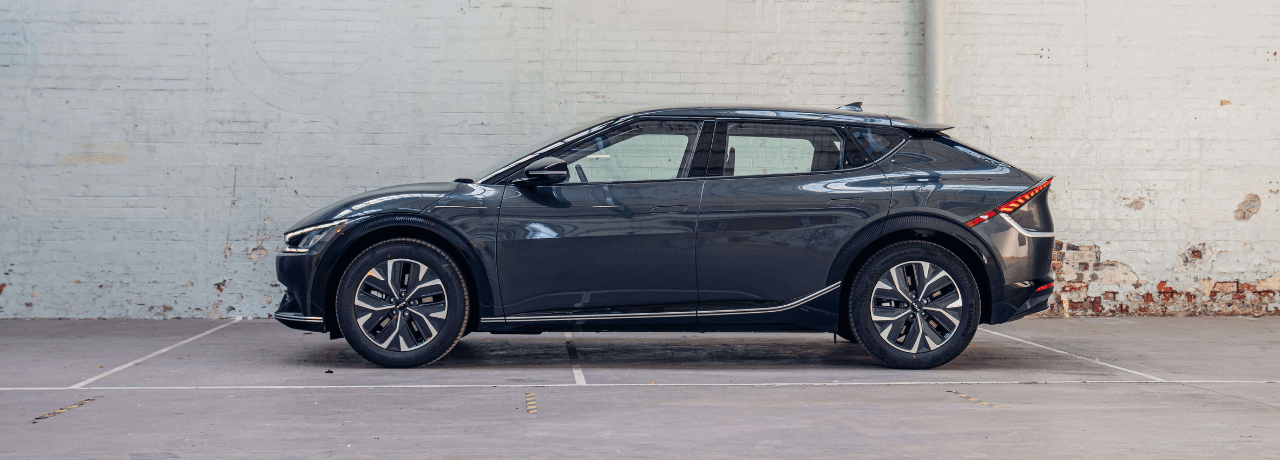
Kia EV6
Kia’s eagerly-awaited EV6 is on sale from October ’21 and with looks like these, who needs an internal combustion engine?
Peugeot e-208
Arguably the classiest-looking small family EV, the e-208 has a respectable 217 mile range.
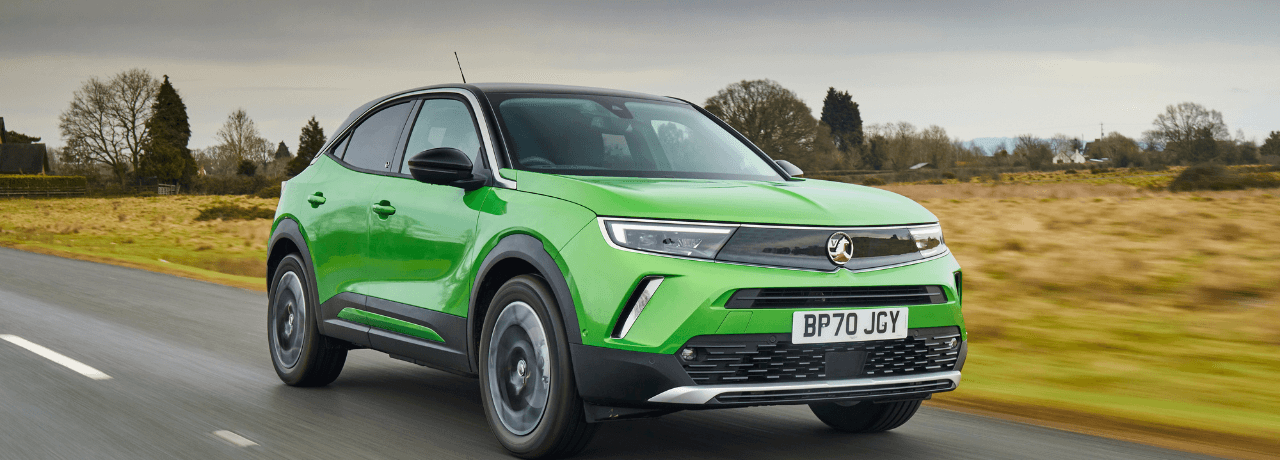
Vauxhall Mokka-e
The new model is the best-looking Mokka ever and fully electric, it’s the greenest too.
Skoda Superb PHEV
By name and by nature, the Superb is extremely refined and brings a 34-mile electric range with its PHEV model.
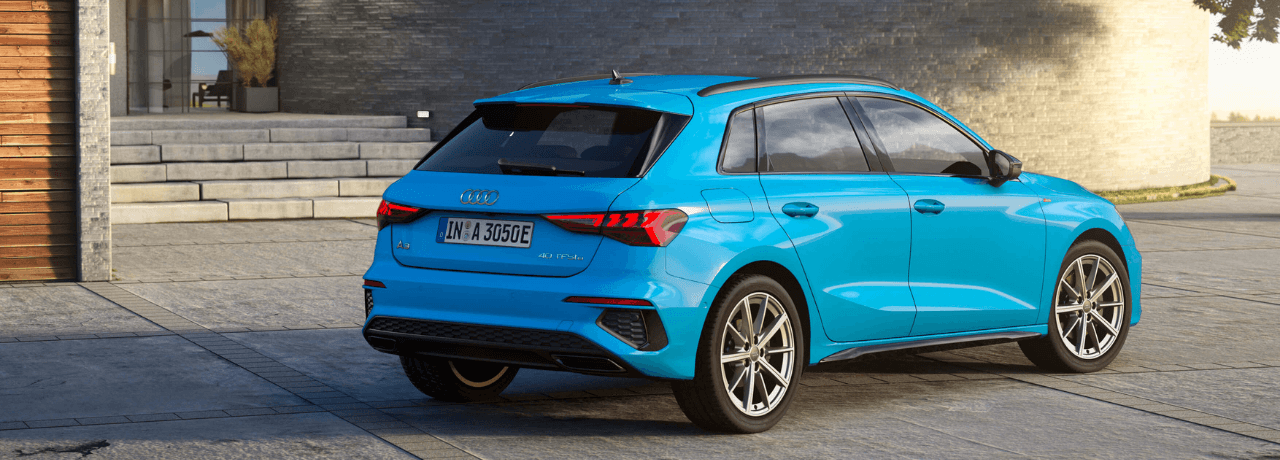
Audi A3 Sportback 40 TFSI e PHEV
201bhp and road tax of just £10 mean the maths stacks up for this Audi favourite.
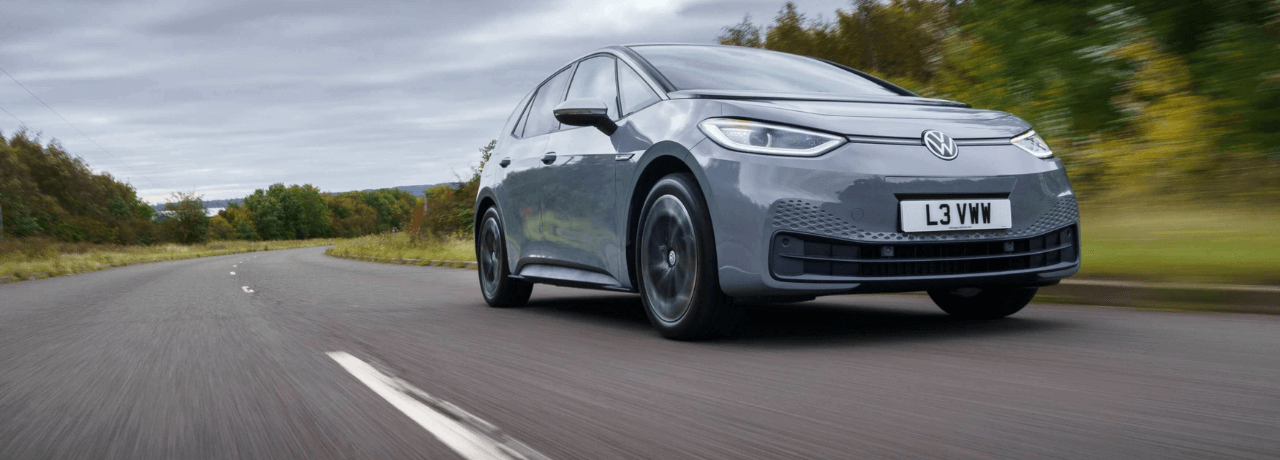
VW ID.3
Volkswagen’s Golf for the electric era, the ID.3 offers a max 258 mile range.
BMW 330e PHEV
The 330e delivers classic BMW 3-Series handling but with plug-in economy and sensible 11% BIK tax rate.
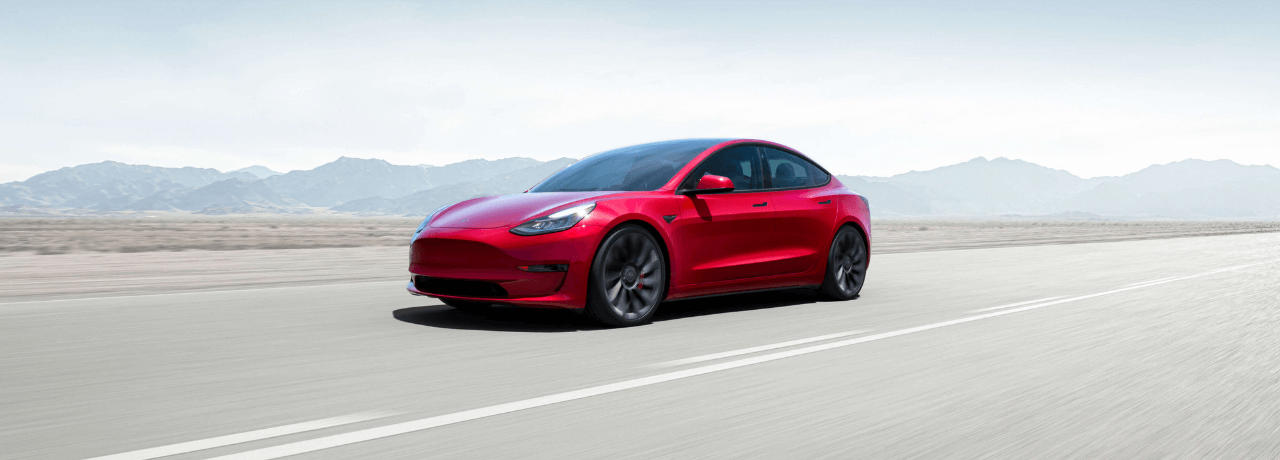
Tesla Model 3
The Tesla is king when it comes to range, with up to 360 miles on a full charge.
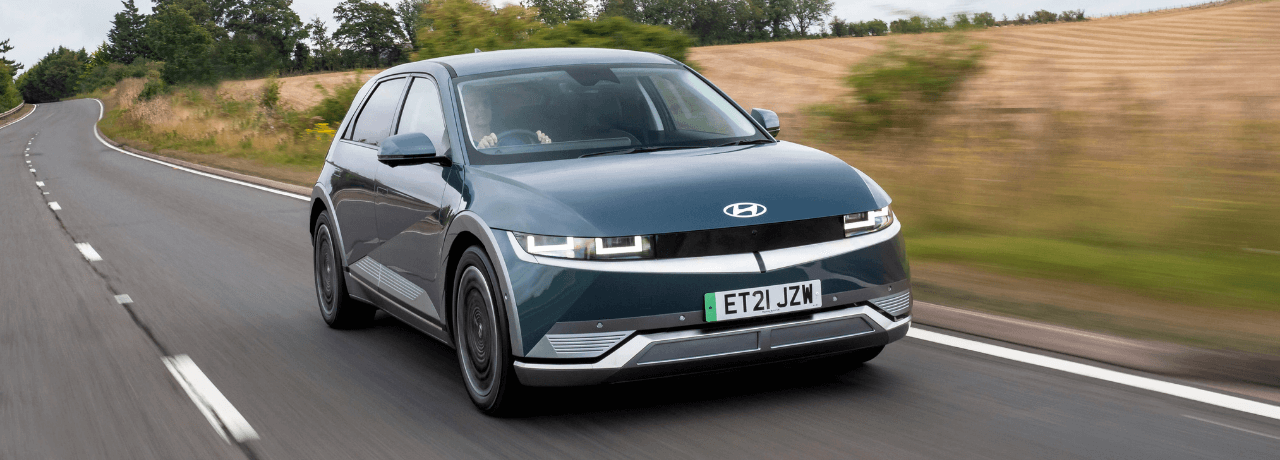
Hyundai Ioniq 5
The Ioniq 5 is contemporary-looking inside and out. Add a 298 max range and it’s hard to beat.
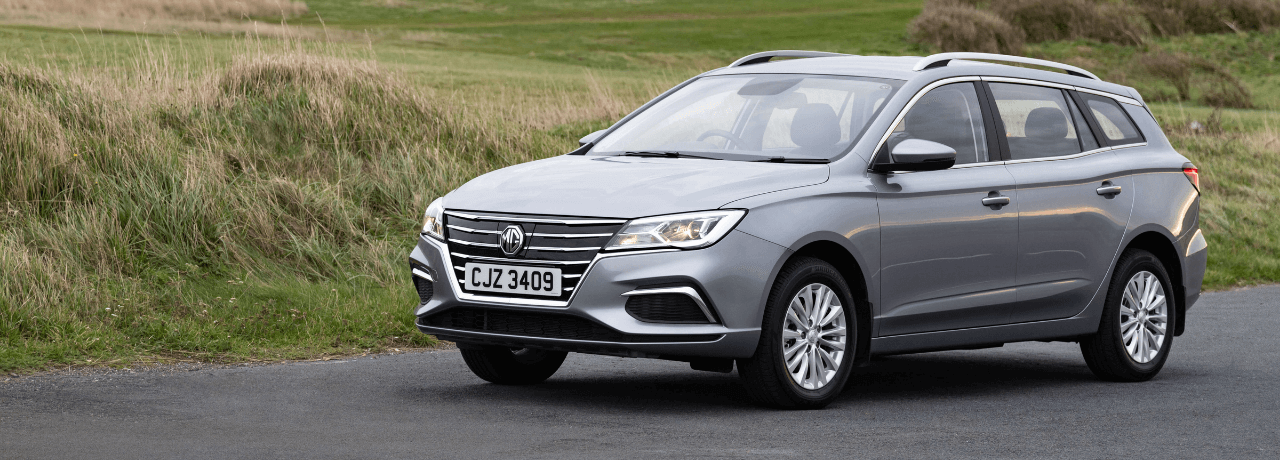
MG 5
Looking for an all-rounder with decent range and good boot space? The MG 5 Long Range models offer sensible value with a 250 mile max range
Jump on the electric bandwagon today with great hybrid and electric vehicle options both better for the planet and your pocket!