
Introducing the New '23' Number Plate: Your Comprehensive Guide
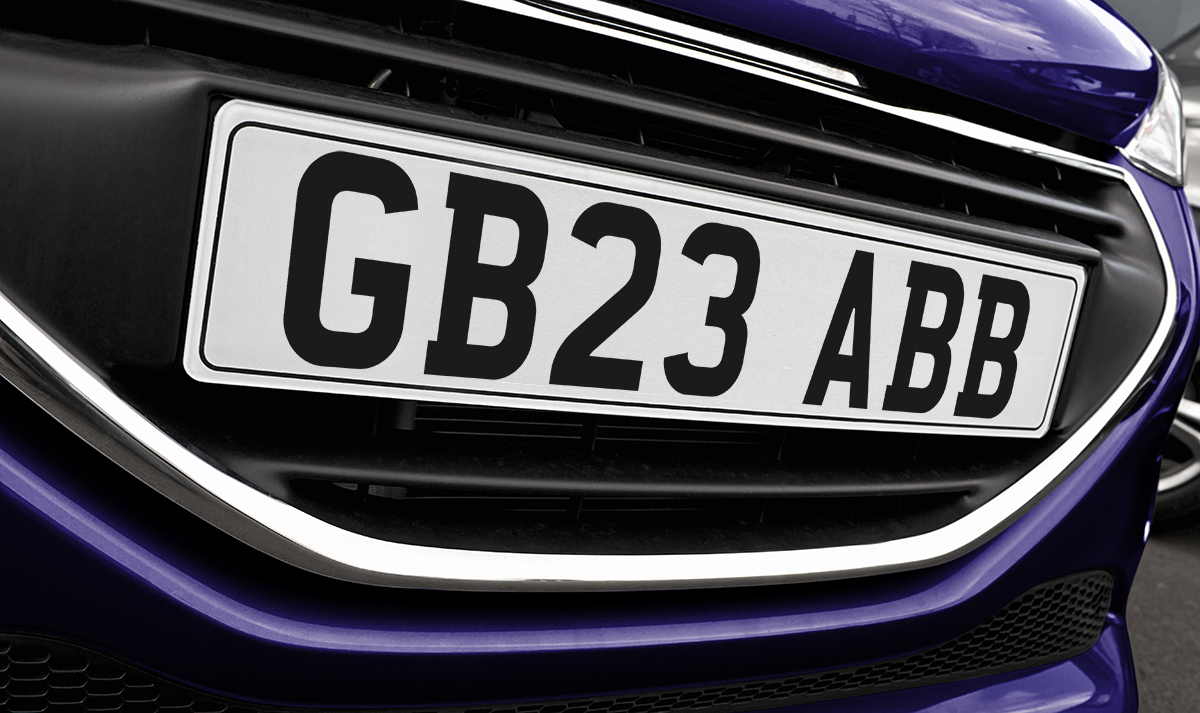
As we bid farewell to winter and welcome the arrival of spring in March 2023, a new number plate age identifier made its debut - the coveted '23'. This identifier now graces the plates of all newly registered cars in the UK, signifying their status as the newest vehicles on the road - at least until the arrival of the '73' plate on 1 September 2023.
Replacing the previous '72' plate that made its appearance in September 2022, the '23' plate brings with it new regulations and guidelines that all vehicle owners should be aware of. Familiarising yourself with the rules regarding number-plate fonts, layouts, colours, and placements is crucial, as unknowingly violating these regulations could result in hefty fines. Plus, who knows, the answer to a future pub quiz question might just be found in this article! Stay informed and stay compliant with the latest updates on the UK's number plate system.
Cracking the Code: Understanding How UK Number Plates Work
If you've ever wondered how UK number plates are structured, you're not alone! The current number plate, known as the '23' plate, was introduced in March 2023 and will be used as the date signifier for all new cars registered between 1 March and 1 September 2023.
The third and fourth characters on a standard UK number plate represent the age identifier and are made up of two numbers. However, this is just one of the three elements that make up a typical number plate. The other two elements are two letters that denote the region where the car was registered, and a set of three randomly generated letters. Together, these elements create the unique combination that identifies a vehicle on the road. Understanding how these elements work can help you decipher the meaning behind UK number plates and make sense of the code!
What to Expect: New Car Registration Plates
As per the current system, starting from 1st March 2030, you will see cars with "30" plates on the road, and from 1st September 2030, "80" plates will be issued for newly registered vehicles. This numbering pattern is part of the ongoing system used for UK car registration plates, which indicates the year of registration.
In addition to the numbering pattern, there are strict rules governing the specifications of the letters and numbers on a number plate. For vehicles made after 1st January 1973, the front number plate must have a white background, while the rear number plate must have a yellow background. The characters on the number plate must be 79mm tall and 50mm wide (except for the number 1 or the letter I). The thickness of the character stroke must be 14mm, and the space between characters must be 11mm.
There are also specific requirements for the spacing and margins on the number plate. The space between the age identifier (such as "30" or "80") and the random letters must be 33mm, and the margins at the top, bottom, and sides must be 11mm. The vertical space between the age identifier and the random numbers must be 19mm. The font used on the number plate, known as the Charles Wright font, has been in use since 2001.
Being aware of these rules can help ensure that your vehicle's number plate is compliant with the regulations. So, when you see a new car on the road in 2030, you'll know what to expect in terms of the registration plate and its specifications!
What is a Green Number Plate?
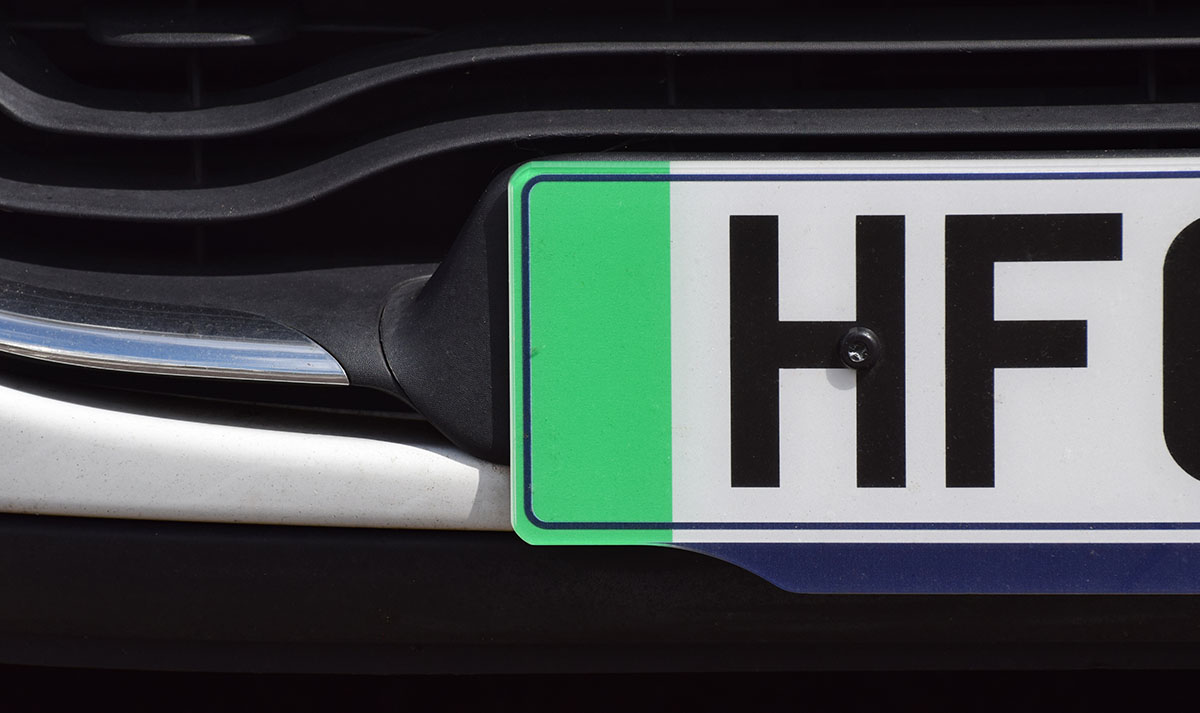
Since 8th December 2020, owners of new fully electric cars or vehicles powered by a hydrogen fuel cell have the option to choose a "green number plate" for their vehicle. These special number plates feature a green flash on the left-hand side, indicating that the vehicle has zero tailpipe emissions. Although it is not mandatory to have the green flash on the number plate, dealers often fit them as standard on newly sold electric cars. Currently, these green number plates are purely cosmetic and do not grant any specific privileges to electric vehicle (EV) owners.
It's worth noting that it is illegal to purchase green number plates for petrol or diesel cars, and they are meant to be obtained only from approved and registered vendors. There have been instances of people buying "show plates" from other vendors, which are marketed as non-road-legal plates for use at automotive shows. However, these show plates may closely resemble real number plates and may even have non-standard spacing, banned number or letter combinations, and green flashes, but they are not intended for use on public roads and are not eligible for vehicles that do not meet the criteria for zero tailpipe emissions.
Green number plates are a voluntary option for owners of fully electric cars or hydrogen fuel cell vehicles, indicating their zero tailpipe emission credentials. However, it is important to obtain them from approved vendors and use them in compliance with the law.
What is a Private Number Plate?
Private number plates, also known as personalised, cherished, or vanity plates, are special number plates that are chosen based on the specific characters they contain. These plates can be purchased directly from the Driver and Vehicle Licensing Agency (DVLA), or if they are already in circulation, they can be bought from auctions, traders, or private individuals.
Personalised number plates can represent a driver's name, a company name, a significant date, or any other word or words, as long as they are not considered offensive. Some people choose private plates simply because they like the combination of letters and numbers they contain, while others may have a sentimental attachment to a specific plate and wish to transfer it to their next vehicle throughout their driving life. Private number plates allow individuals to personalise their vehicles and make a statement with a unique registration number.
Are There Any Banned Number Plates?
Yes, there are. During meetings held by the DVLA (Driver and Vehicle Licensing Agency) each time a new age identifier is released in March and September, efforts are made to identify and ban any combinations of letters and numbers that could potentially form offensive words or resemble them.
Anything related to violence, sex, or discrimination is automatically banned, and plates that slip through the initial screening can be rescinded at a later date. For example, plates like "BA22 ARD" and references to Covid-19 like "CO22 ONA" were banned when the '22' plate was released in March 2022.
Number Plate for Cars Registered Before 2001
Prior to the current system, several different number plate formats were in use. Between 1983 and 2001, number plates changed only once a year, with the age identifier being a single letter at the beginning of the plate. For instance, a plate starting with 'A' indicated a registration between August 1983 and July 1984, while an 'M' plate indicated a registration between August 1994 and July 1995. Prior to that, from 1963 to 1982, the age identifier was the last character on the plate.
In conclusion, the 23 plate holds significance for car registration plates in the UK, indicating vehicles registered between March 2023 and September 2023. It's important to understand the regulations and rules for displaying number plates correctly, including the use of personalised plates and green number plates for electric or hydrogen-powered cars. Familiarizing yourself with the number plate formats and age identifier systems can help you understand the age of a vehicle. Remember to always comply with the regulations set by the DVLA to avoid any issues with incorrectly displayed number plates. Stay up-to-date with the latest updates and changes in the number plate system to ensure compliance with the law.