
Are Electric Vehicles Good in the Snow? Your Guide to Driving an EV in Winter

Electric vehicles (EVs) are becoming increasingly popular, especially drivers looking to lease an EV, thanks to their lower running costs and environmental benefits. But when winter weather hits, many drivers wonder: are EVs up to the challenge? From snowy and foggy roads to freezing temperatures, winter can test any car’s capabilities.
Let’s explore how EVs perform in snowy and icy conditions, tackle common concerns about their winter usability, and highlight why they can be a smart choice.
How Do Electric Cars Perform in the Snow?
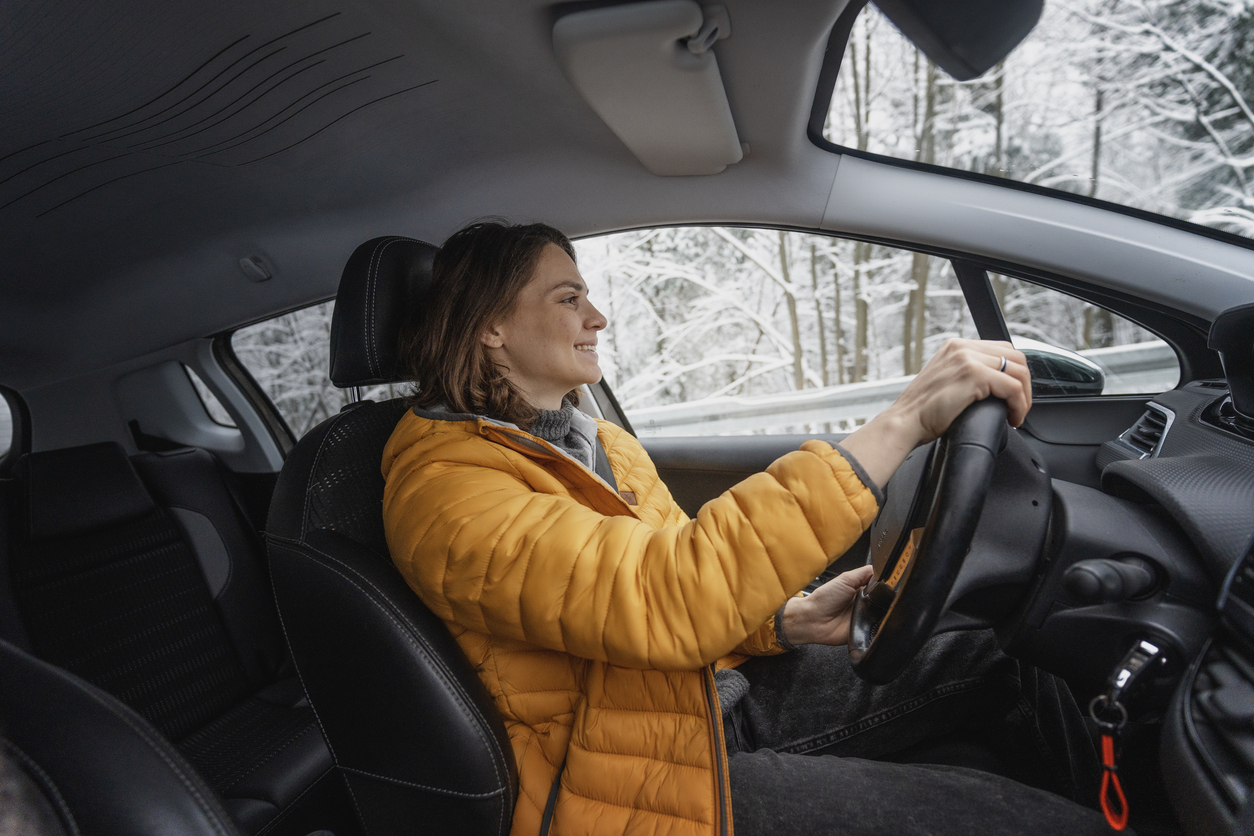
One of the standout features of EVs is their ability to handle snowy roads effectively. While traditional cars rely on internal combustion engines, gears, and four-wheel drive for winter traction, EVs have several unique advantages:
1. Instant Torque for Better Control
Electric motors deliver instant torque, allowing EVs to accelerate smoothly and maintain steady traction. This can be particularly beneficial when navigating icy or snow-covered roads.
2. Weight Distribution and Low Centre of Gravity
The battery pack in an EV is typically located beneath the car, lowering its centre of gravity. This improves stability and helps reduce the risk of skidding, even in challenging conditions.
3. All-Wheel Drive Options
While not all EVs come with all-wheel drive, many newer models include it as an option. All-wheel drive EVs offer similar benefits to traditional 4x4 vehicles, providing excellent traction on slippery surfaces.
Do Cold Temperatures Affect EV Batteries?
One common concern with EVs in winter is battery performance. It’s true that lithium-ion batteries are less efficient in cold temperatures, which can temporarily reduce an EV’s range. However, manufacturers have developed solutions to minimise this impact:
Thermal Management Systems
Most modern EVs include active thermal management systems that regulate the battery's temperature. This keeps the battery functioning efficiently, even in sub-zero conditions.
Preconditioning Features
Many EVs allow you to precondition the battery and cabin before setting off. By warming the car while it’s plugged in, you can preserve more of the battery’s range for your journey.
Regen Braking
Regenerative braking captures energy when you slow down and feeds it back into the battery. In stop-start winter traffic or on hilly, snowy roads, this feature helps conserve energy and extend your range.
What About Heating?
EVs come with innovative heating solutions that enhance winter driving comfort while minimising energy use. Features like heated seats and steering wheels provide direct warmth, consuming significantly less energy than traditional cabin heating systems. Additionally, many EVs are equipped with heat pumps, which efficiently warm the cabin and are more energy-efficient than older heating systems, allowing you to stay comfortable without compromising too much range.
Do Electric Cars Need Winter Tyres?
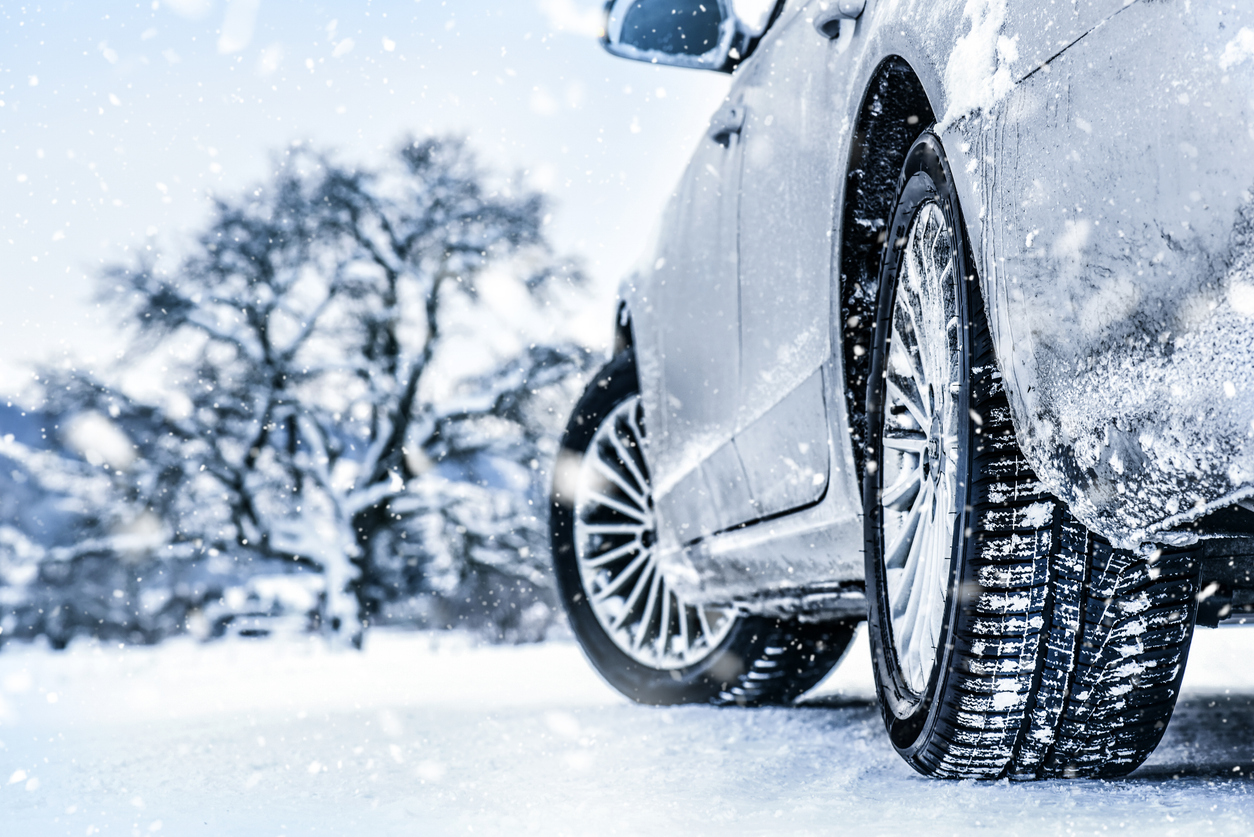
Yes, winter tyres can significantly improve your EV’s performance in cold weather. These tyres are designed with special rubber compounds and tread patterns that provide better grip on icy or snowy roads.
By reducing rolling resistance and improving traction, winter tyres also help optimise your EV's range and safety in winter conditions.
Top EV-Specific Winter Driving Tips
Driving an EV in winter can be slightly different from driving a traditional car. Here are some practical tips to get the best performance:
1. Plan Charging Stops: Cold weather can reduce your range, so plan charging stops ahead of time, especially on longer journeys.
2. Use Eco Mode: Most EVs come with an eco-driving mode, which helps conserve energy by reducing power output and limiting the use of non-essential features.
3. Store Your EV Indoors: Parking your EV in a garage or covered area can help protect the battery from extreme cold and improve efficiency.
Are EVs a Good Choice for Winter Leasing?
If you're considering leasing an EV, winter performance shouldn’t be a dealbreaker. In fact, EVs can be an excellent option for personal and business leases, even in colder months:
Benefit-in-Kind (BIK) Tax Savings
For business leases, EVs come with significantly lower BIK tax rates, making them cost-effective year-round.
Lower Maintenance Costs
EVs have fewer moving parts than petrol or diesel cars, which means less wear and tear and fewer winter-related repairs.
At Car Leasing, we offer a range of EVs with lease options tailored to your needs. Whether you're commuting daily or managing a fleet, leasing an EV gives you access to cutting-edge technology without the long-term commitment.
Why EVs Are Winter-Ready
Electric vehicles are more than capable of handling winter weather. With instant torque, smart heating systems, and innovative battery management, EVs offer a safe, efficient, and comfortable driving experience, even in the snow.
While it’s true that range can be affected by cold temperatures, manufacturers are continuously improving EV technology to make them even more winter-ready. Add in benefits like reduced emissions and lower running costs, and it’s clear why EVs are a great option for year-round driving.
Interested in leasing an EV? Contact our team today to explore our range of electric cars and find the perfect winter-ready vehicle for your needs.