
How to Drive in Fog: A Complete Guide for Safer Journeys
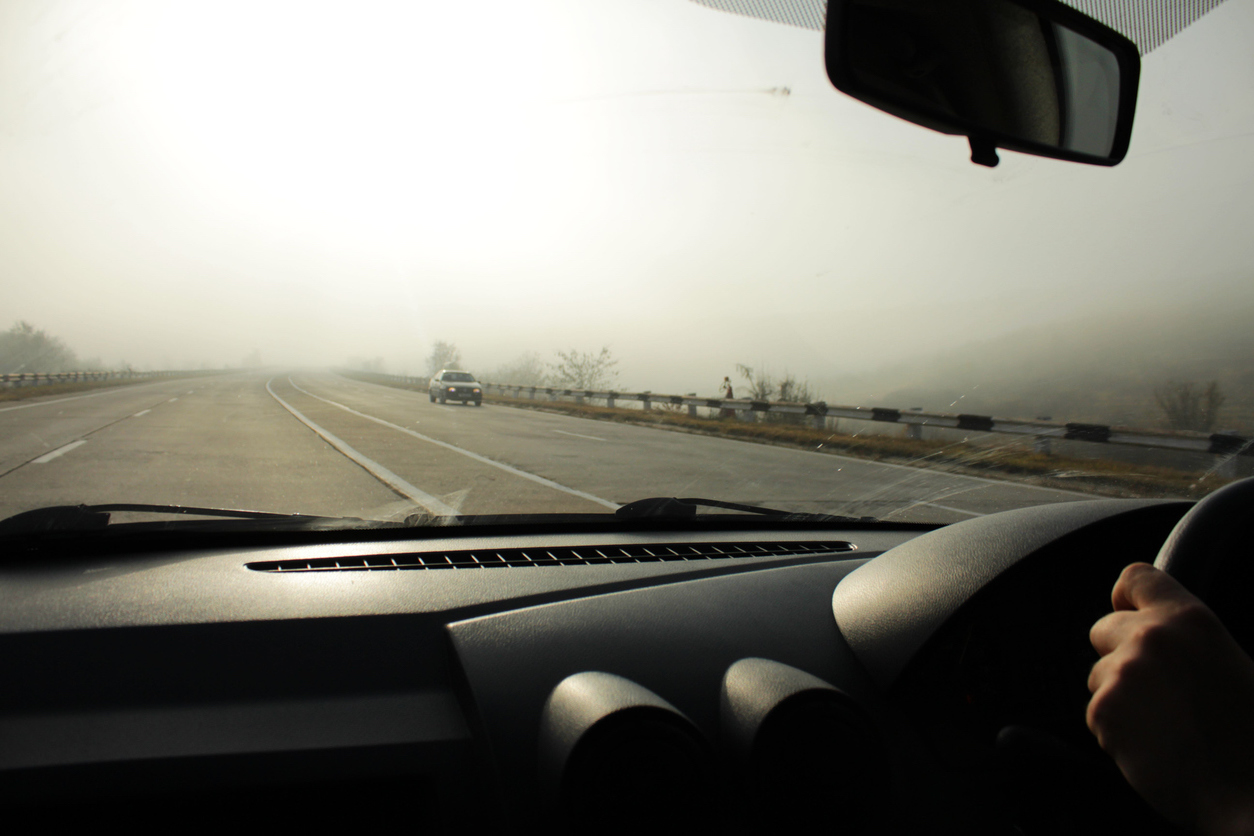
Driving in fog can be tricky, it’s like the world around you suddenly disappears, leaving you with only a few metres of visibility. It’s no wonder it’s considered one of the most dangerous weather conditions to drive in. Whether you’re behind the wheel of a leased car or your own, staying safe is all about knowing how to handle the situation.
In this guide, we’ll walk you through practical tips, essential safety measures, and everything you need to know to navigate foggy roads with confidence. From preparing your car to using your fog lights correctly, this advice is here to help drivers of all kinds stay safe on the road.
What You Should Do Before Driving in Fog
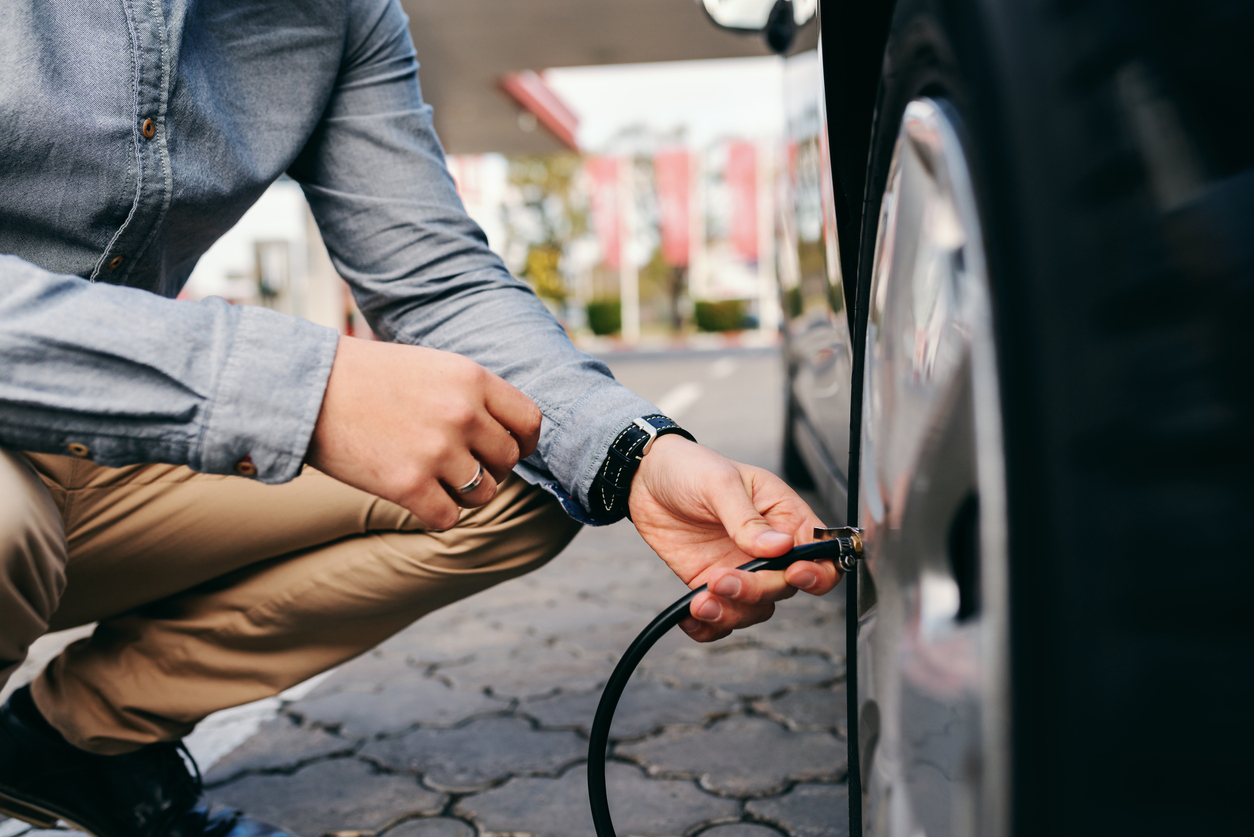
Preparation is key when driving in fog. Before you even think about hitting the road, make sure your car is ready for the challenge. Start by;
Checking your headlights and fog lights. These will be essential for visibility. Don’t forget your windshield wipers too; you’ll want them in top shape to keep your view clear if the fog turns into mist or drizzle.
Make sure your tyres are in good condition and properly inflated. This is important for maintaining control, especially in slippery conditions. And while you’re at it, pack a few essentials just in case: a torch, a blanket, and a phone charger can be real lifesavers if you run into trouble.
If you're leasing a car from us, you can rest easy knowing your vehicle is well-maintained and ready for whatever the weather throws at you.
What to Avoid When Driving in Fog
When driving in fog, there are a few common mistakes you’ll want to avoid. First;
Resist the urge to speed or tailgate. It’s tempting to drive at your usual pace, but reduced visibility means you need more time to react to sudden changes in the road. Always give yourself extra space.
Steer clear of is using your high beams. While they might seem like they’d light up the road better, they actually make the fog reflect back into your eyes, making things worse. Stick to your fog lights instead, they're designed for these conditions.
Don’t rely too much on your tech, like sat-nav or lane-keeping assist. While these features are helpful on clear roads, in thick fog, they can’t fully guide you, and you still need to be fully aware of your surroundings. Stay alert and keep your focus on the road.
Top Tips for Driving in Fog
When driving in fog, it’s all about adjusting your approach to stay safe. Here are some top tips to help you out:
Keep your speed steady and appropriate for visibility. Don’t feel pressured to drive at the normal speed limit. In fog, it’s important to adjust your speed to match how far you can see ahead, slower is always safer.
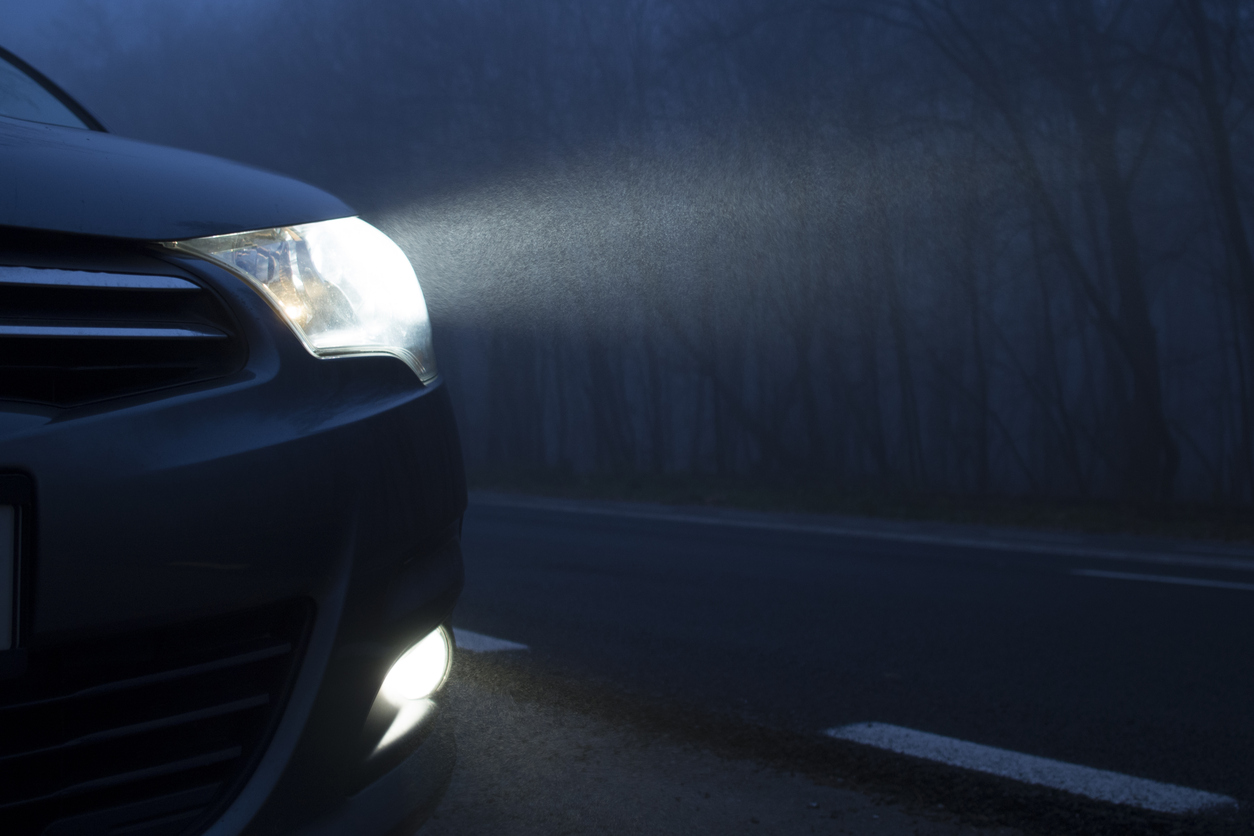
Use fog lights correctly. Fog lights are designed to give you better visibility without blinding other drivers. Turn them on when visibility drops below 100 metres, but remember to switch them off once the fog clears to avoid dazzling others.
Increase your following distance. Give yourself more space between your car and the one in front. This gives you extra time to react if they suddenly brake or change lanes.
Use your car’s heater or demister to keep windows clear. Fog can quickly fog up your windows inside the car, so use your heater or demister to keep the view clear and avoid driving with misted-up windows.
Listen for traffic at junctions or crossings. In areas where visibility is poor, you might not see approaching traffic. So, take extra care and listen for any vehicles or sounds from other road users, especially at junctions or crossings.
What to Do if You Breakdown in Fog
If you break down in fog, your safety is the top priority.
First, pull over safely and get as far off the road as possible to avoid blocking traffic. If you can, park in a lay-by or a safe area where other drivers can clearly see you.
Next, turn on your hazard lights to make yourself visible to others, and don’t forget to switch on your fog lights if needed. These will help other drivers spot you from a distance.
If it’s unsafe to exit the vehicle, maybe due to poor visibility or fast-moving traffic, stay inside the car with your seatbelt on. Keep the windows slightly open for ventilation, and make sure your phone is within reach.
Finally, contact breakdown assistance for help. It's always a good idea to have the contact details of your breakdown provider saved in your phone, so you're prepared in case of an emergency.
Fog Lights Explained: Your Top Questions Answered
Fog lights play a crucial role in maintaining visibility during foggy conditions. Saying this, some drivers are confused of which lights to use and when, particularly when it comes to driving in fog. So, here’s everything you need to know:
1. When should I use fog lights?
Fog lights are designed to improve visibility when visibility is reduced to less than 100 metres. They help cut through the fog by illuminating the road ahead and preventing your lights from reflecting off the mist. Always turn them on when driving in thick fog, heavy rain, or snow to stay safe and ensure other drivers can see you.
2. How do fog lights work?
Fog lights are positioned low on your vehicle and have a wide, flat beam that cuts through fog and rain without reflecting back into your eyes. Unlike your headlights, fog lights are not meant to light up long distances. Instead, they provide a concentrated area of light close to the ground to help you see the road ahead clearly. They’re also designed to minimise glare for oncoming traffic.
3. Is Driving Without Fog Lights Illegal in Foggy Conditions?
In the UK, it’s not illegal to drive without fog lights, but you must use them if your car is equipped with them when visibility drops below 100 metres. Failing to use fog lights in these conditions could result in a fine or penalty points on your driving license, as it’s essential for safety.
4. Is It Illegal to Drive with Fog Lights When It’s Not Foggy?
Yes, it is illegal to drive with your fog lights on when visibility is good. Using fog lights when they’re not needed can dazzle other drivers and create a dangerous situation, especially at night or on clear days. Always remember to turn them off once the fog clears or when driving in normal conditions to avoid unnecessary distractions to other road users.
5. What Are the Different Types of Car Lights?
Cars have various types of lights, each serving a specific purpose:
Headlights: Used for normal driving at night or in poor visibility.
High beams: Provide long-range lighting for driving on unlit roads but should be dimmed when approaching other vehicles.
Fog lights: Designed for use in fog, rain, or snow, providing low, wide beams to reduce glare.
Brake lights: Light up when you apply the brakes, signaling to others that you’re slowing down.
Indicator lights: Blink to show other drivers your intended direction of travel.
Tail lights: Positioned at the rear of the vehicle, these are always on when your headlights are in use.
6. Do All Cars Have Fog Lights?
Not all cars come with fog lights as standard. While many newer models, especially high-spec vehicles, include fog lights, some smaller or more budget-friendly models may not have them. It’s always worth checking your vehicle’s specifications to see if it’s equipped with fog lights.
7. What If My Car Doesn’t Have Fog Lights?
If your car doesn’t have fog lights, it’s still safe to drive in fog, but you’ll need to rely on your regular headlights, making sure to dim them when necessary. If driving in fog is a frequent necessity for you, you might want to consider investing in fog light installation or using high-visibility driving aids such as reflective vests and enhanced visibility headlights designed for poor weather conditions.
Stay Safe and Confident When Driving in Fog
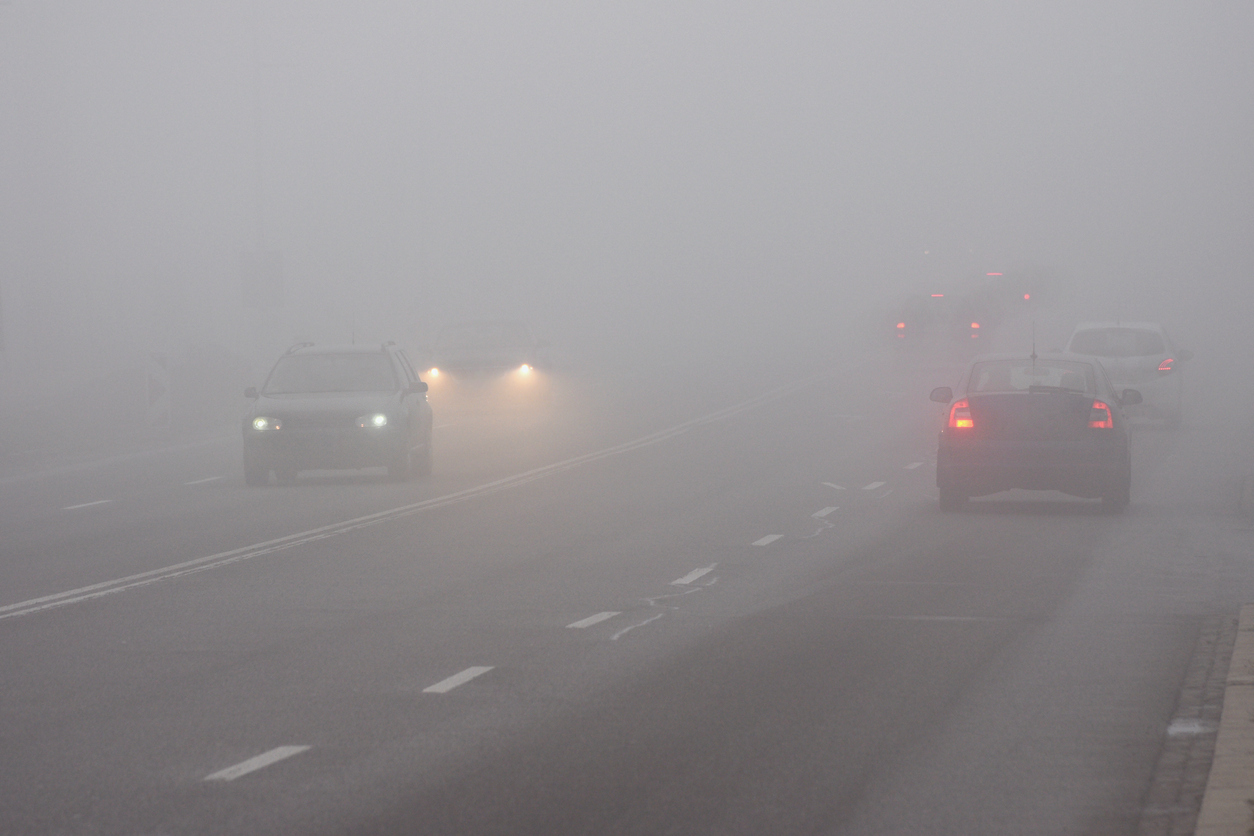
Driving in fog can be challenging, but by staying calm, prepared, and following the right steps, you can navigate through it safely. Remember to check your vehicle before heading out, use fog lights correctly, and maintain a safe speed and distance. The more cautious and alert you are, the safer your journey will be.
If you're considering leasing a car, give us a call, we offer vehicles equipped with the latest safety features, perfect for tackling challenging conditions like foggy weather. Drive with confidence knowing your car is ready for anything!