
Everything You Need to Know About MPG

What is MPG?
Miles per gallon, also known as MPG, is an estimate of how many miles your vehicle will travel using just one gallon (that’s 4.54 litres) of fuel. In Europe, fuel consumption is usually measured in l/100km (litres per 100 km).
Simply, if your car is listed as 70MPG, it means that your car will be able to run for 70miles on 1 gallon of fuel.
How is MPG Calculated?
Emissions and associated fuel economy have since been under huge scrutiny and one of the biggest changes has been a new way to measure consumption which more closely reflects real driving conditions. The new Worldwide Harmonised Light Vehicle Test Procedure (WLTP) system became effective in 2018 and has replaced the less accurate New European Driving Cycle (NEDC) method which started life in the 1980s.
The WLTP test cycle was developed using real-driving data gathered from around the world and therefore better represents everyday driving profiles. The older NEDC determined values based on a theoretical driving profile.
The WLTP driving cycle has four parts with different average speeds: low, medium, high and extra high. Each part contains a variety of driving phases to simulate real life situations; stops, acceleration, and braking. For each model of car, all engine variants are tested, along with the heaviest and lightest trim levels.
Why Do Cars Have More Than One MPG Figure?
As there are 4 different phases which complete the testing of MPG for a vehicle, each test its own results and is then combined to provide an average.
Are MPG Figures Reliable?
MPG has been continuously under scrutiny, especially since the Volkswagen emissions scandal broke in 2015. Many dealerships and car reviewing sites have conducted their research, and the results of tests from WhatCar in 2023 show us that “the difference between the official figures and what was actually achievable was an incredible 23.5%”. Which is why a lot of motorists where keen when the WLTP test came into play in 2018.
Europe has additional tests for diesel vehicles which measure pollutants generated during prescribed road tests. These Real Driving Emissions (RDE) tests don’t replace the WLTP laboratory test but complement the results.
There are two phases of RDE. The first phase is already in place and is used to determine vehicle emissions today. The second phase - RDE2 - requires a greater level of accuracy. RDE2 applied in January 2020 for new diesel engine types and then from January 2021 for all types.
WLTP and RDE procedures also provide official CO2 figures, which affects the amount of tax that new car buyers pay. They also affect company car tax rates.
The new WLTP figures will also help with other car choice aspects: drivers will be able to base their buying decisions on likely fuel costs based on their annual mileages and a vehicle’s range on each tank-full of fuel for example.
Why is a Cars MPG Important?
More accurate fuel consumption and emissions figures under WLTP and RDE mean those quoted for each vehicle will be realistic - and with careful driving, more likely to be achievable.
What is My Car’s MPG and How Can I Improve it?
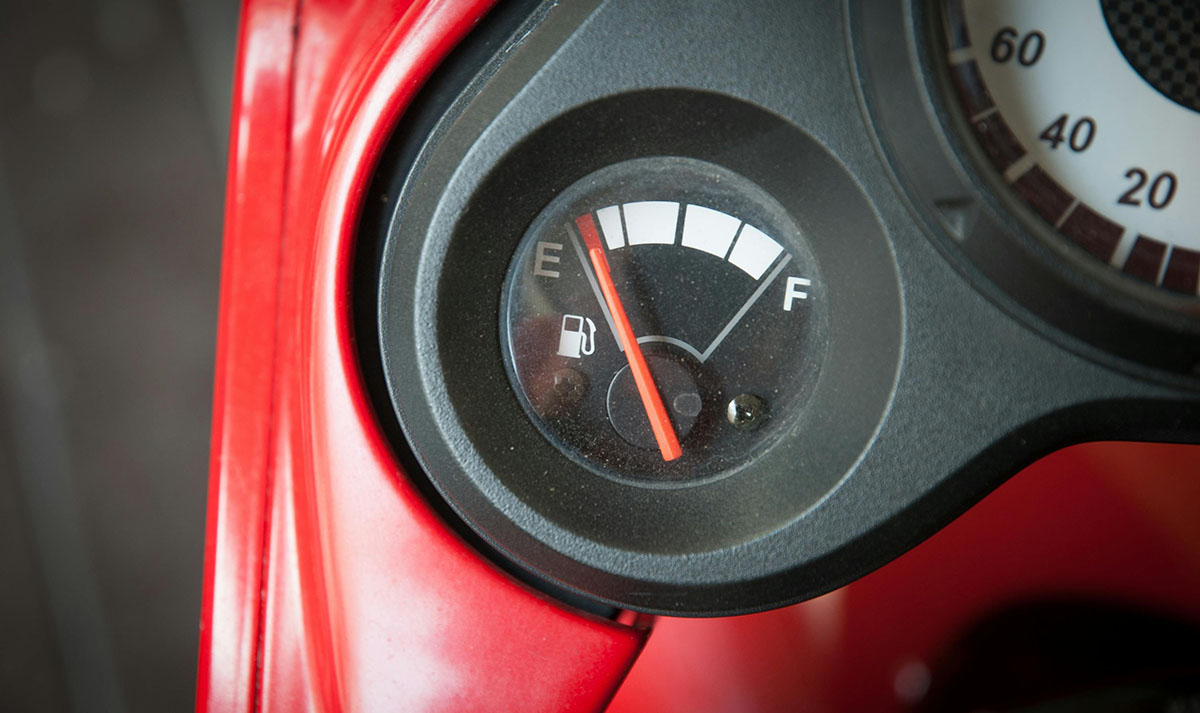
To find out your car’s MPG, you can use WhatCar’s online calculator. Just input the make, model, and fuel of your car and the results are shown in an instant.
There are simple and straight forward ways of improving your car’s fuel economy, just by altering your driving habits. This includes things like avoid braking late, being smoother on the throttle, optimising gear changes and using cruise control where possible. Even decluttering your car can make a difference to the MPG.
Other improvements you can make but come with a cost include sticking to a service schedule, filling your car up with premium fuel, upgrading your tyres, and checking their pressure regularly.
Frequently Asked Questions: Miles Per Gallon (MPG)
What is a good MPG?
A good MPG is measured on a car travelling for as long as possible on the least amount of fuel. The accepted standard rates a good MPG around 40-60 MPG.
How to work out MPG?
Next time you need to fill up for your, take a note of the mileage before filling with fuel. Once you have filled your tank, take a note of the number of litres put in. To work out the MPG, you will need to divide the number of miles driven by the amount of fuel used in litres and then multiply is by 4.544.
Is a higher MPG better?
Yes! But not only is a higher MPG better for your wallet but for the economy too.
Can my driving style affect my MPG?
The way you drive can affect the miles per gallon of a vehicle. You can adapt your driving style to maximise your MPG by avoid braking late, being smoother on the throttle, optimising gear changes and using cruise control where possible.
Do all new cars show WLTP figures?
Yes. WLTP applied to new car registrations from September 2018 and stocks of vehicles measured under the old system could be sold until September 2019.
Does my car have worse consumption under WLTP?
No. Any car with both NEDC and WLTP figures available will be the same; it’s just the WLTP figures are more realistic.