
All new cars will be fitted with speed limiters from 2022
In March this year, the European Commission indicated its plans to impose speed limiters on new cars. This received varied reactions from bemoaning loss of civil liberties to hugely positive for the potential reductions in injuries and fatalities.
Since the knee jerk reactions when the news broke, we have had time to reflect on the real world implications. Here’s what we know so far.
When is it happening?
The EU has provisionally agreed that speed limiters will be mandated in all new cars from 2022. In fact it will be the end of May 2022 for cars not yet in production and May 2024 to convert models currently on sale.
What will the regulations mean?
Intelligent Speed Assist (ISA) will use GPS data and road sign recognition to determine the speed limit at any time. The system can then regulate your vehicle’s speed by adjusting the engine power. Drivers will be given a clear indication when they are breaking the law.
The European Transport Safety Council (ETSC) has called for ISA-fitted vehicles to have a button to deactivate the feature, with it defaulting to being enabled each time the vehicle is started.
Drivers should also be able to override the system by pressing the accelerator pedal more firmly, for situations such as overtaking another motorist who has decided to put their foot down.
In fact ISA is just one of nine safety regulations to arrive in 2022. Here’s the list:
• Intelligent Speed Assistance (ISA)
• Reversing cameras or parking sensors
• Advanced Emergency Braking (AEB)
• Event data recorder
• Drowsiness and distraction monitors
• Lane-keep assist
• Improved seatbelts
• Safety glass to protect cyclists and pedestrians
• Improved direct vision for trucks to help them see cyclists and pedestrians
The reality
Technology-wise, it’s all possible today with many features already available now on new cars. While current models don’t have their speed limit regulated, speed limiters - where you can choose your own maximum - are common. GPS and speed limit sign recognition also means many vehicles indicate when you have exceeded the speed limit.
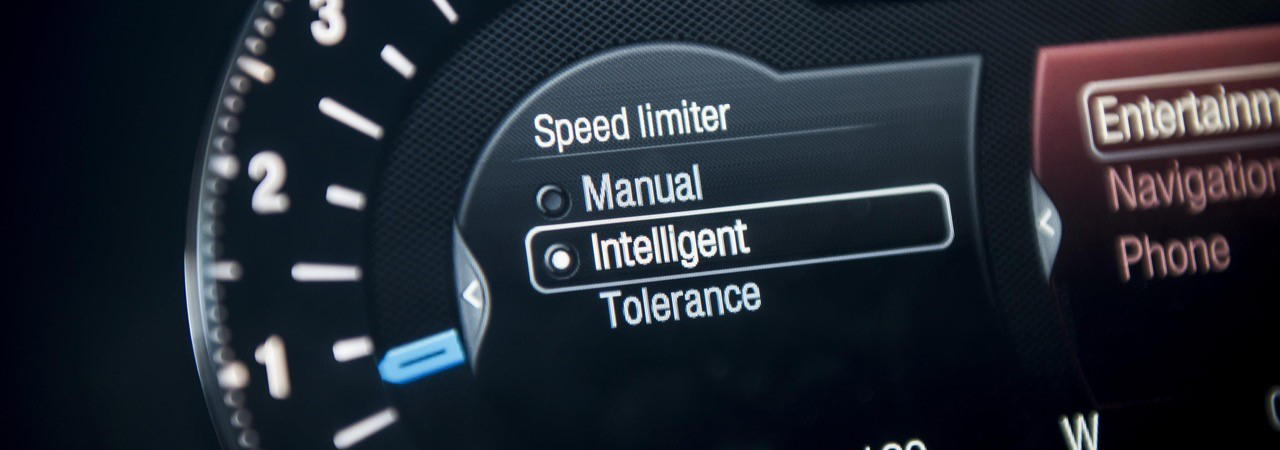
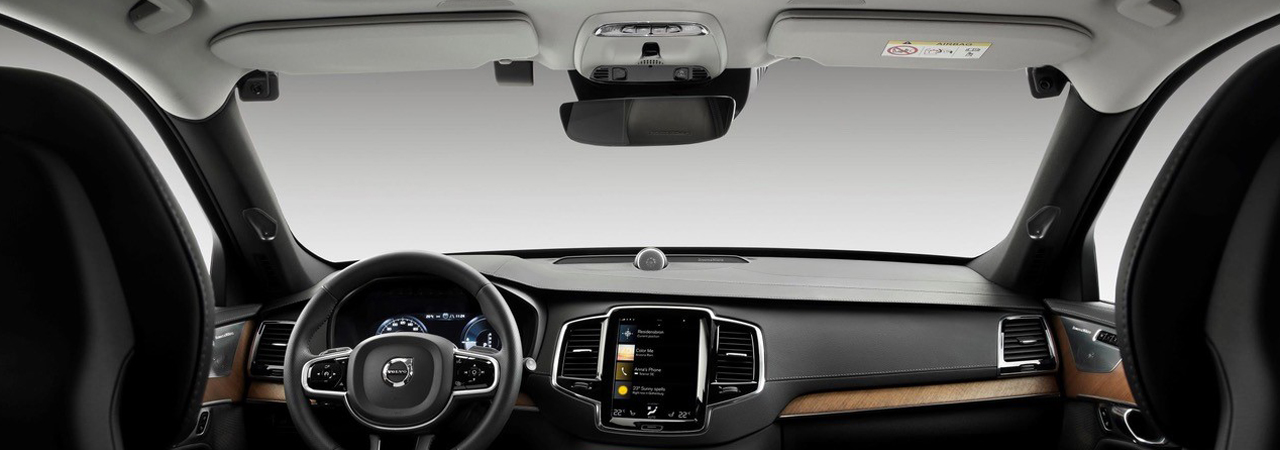
The move isn’t just being driven by legislation; safety-conscious Volvo also announced it would limit its vehicles to 112 mph from 2020 and also plans to introduce driver monitoring cameras to detect tiredness, intoxication and distraction.
What happens when we withdraw from the EU?
However we tumble out of the EU, the Department for Transport says that the UK will adopt the measures anyway. This makes sense for commercial reasons and not just for the predicted safety improvements as cars will be fitted with the same technology wherever they are sold in the EU.
Will it really make a difference?
Speed might not be the root cause of all accidents but it is frequently a major contributing factor. Incidents can be worsened due to excess or inappropriate speed and in many cases might be avoided altogether at lower speeds.
It is estimated by the European Transport Safety Council that it could save up to 25,000 lives, 140,000 injuries and cut 30% of accidents in the first 15 years of introduction of the measures. It doesn’t really matter if these predicted safety statistics are optimistic; whether the numbers are accurate or not, any material reductions in injuries and deaths will be to the benefit of all road users and their friends and families.
We see the real risk is drivers absolving responsibility to the technology when in fact speed limits should always be a maximum. In bad weather or busy situations it will still be up to the driver to use common sense and slow down for the conditions.