
How to Drive on a Smart Motorway
What is a Smart Motorway?
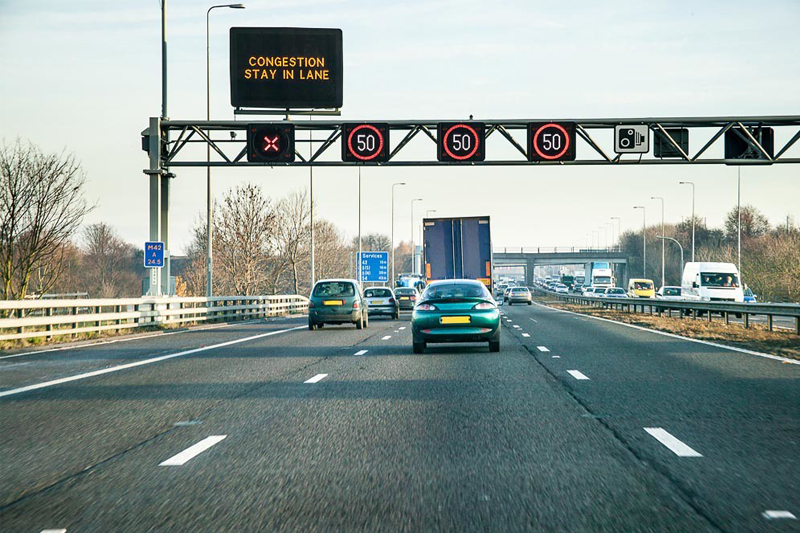
In a bid to improve traffic throughout, some motorways use CCTV to monitor lane use and dynamic signs to control traffic flow.
Many have had their hard shoulder - traditionally a place of refuge for broken-down vehicles and an access path for emergency and rescue services - converted to a live traffic lane (although this isn’t always the case, as we’ll see below).
The term ‘smart’ comes from this monitoring, the changing of speed limits and imposing lane restrictions on the regular gantry signs. Also displayed are key safety and information messages. The more frequent speed limit changes are imposed to maintain traffic flow and keep vehicles on the move.
What Makes a Motorway Smart?
1. All lanes running
This is where all lanes are live, there is no hard shoulder, and speeds and restrictions are controlled by the gantry signs. Instead of a hard shoulder, there are emergency refuge areas along the length of smart motorway sections. These are short lay-bys, each with an SOS phone.
2. Controlled motorways
Here, there will be three or more lanes monitored and controlled by dynamic signage on the gantries but there is still a hard shoulder.
3. Dynamic hard shoulder running
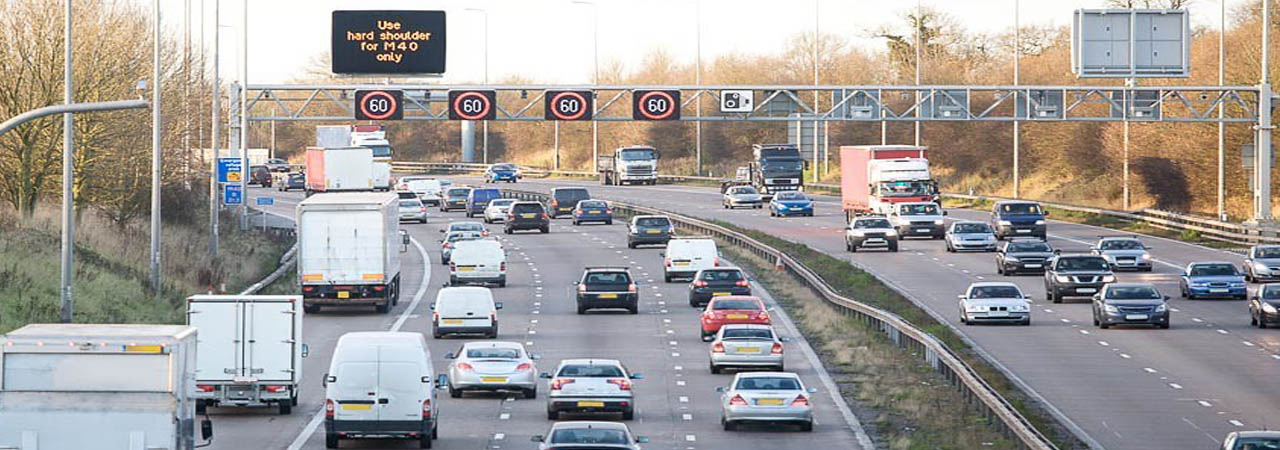
With this setup, there is a hard shoulder - and a solid white line to separate it from the main carriageway - but it can be opened-up for use in busy times. The hard shoulder is controlled by gantry signs which display the red ‘X’ when not in use as a live lane.
How to Drive Safely on a Smart Motorway
While the standard road rules still apply - such as no overtaking on the left - there are additional considerations when it comes to smart motorways.
Speed Limits
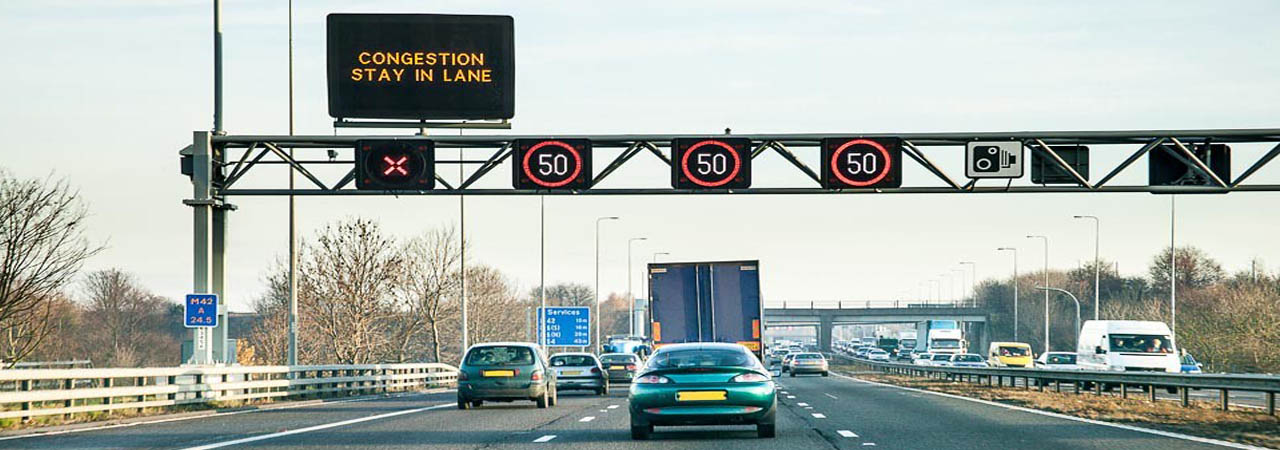
Firstly, it isn’t a blanket 70mph speed limit. Speed limits are set to regulate the traffic flow dynamically and there are numerous speed cameras to enforce these limits. So, keep an eye on the signs as they will change according to the traffic ahead.
Red X
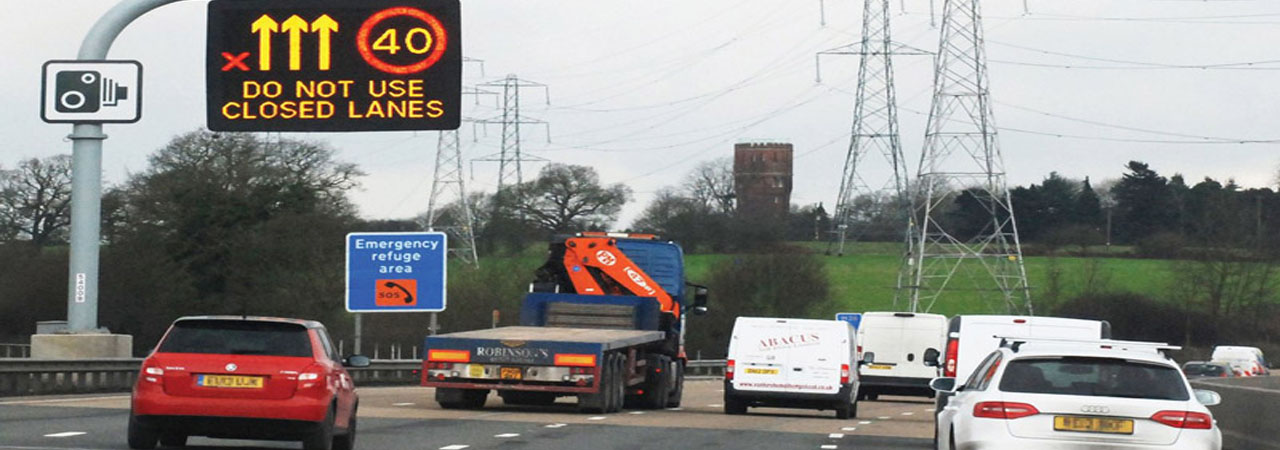
If you only remember one thing about smart motorways, it should be that if you see a red ‘X’ on the gantry above your lane, carefully move into another lane. There could be a broken-down or crashed vehicle or debris further ahead in this lane.
Using the Hard Shoulder
Make use of the hard shoulder lane when it is legal to do so. This is evident by the red X displayed on the signs above the lane, if you see a red X, do not use the hard shoulder. If the hard shoulder is being used as an extra lane, use the designated emergency areas for emergencies.
What Happens if I do Break Down on a Smart Motorway?
If you break down on a smart motorway without a hard shoulder, you should try to reach one of the refuge areas or a motorway exit junction. At the refuge area, call the control centre on the SOS phone provided.
If you break down in a live traffic lane on a smart motorway and are unable to leave safely, you must stay in the vehicle with your hazard lights on and seatbelt fastened. Call the police (999) straight away to ensure you receive help quickly.
If you break down in the left lane, you may be able to get yourself out of the passenger side of your car and over the barrier. Ensure you leave your hazard warning lights on before you climb out. Phone for help when you have reached safety.
Smart motorway lanes are monitored using CCTV and a red ‘X’ will be displayed on the gantry over your lane to warn other drivers of the obstruction.
Reaching an emergency refuge area is safer than remaining in a live traffic lane. So even with a flat tyre, we’d recommend driving at a slow and steady speed with your hazard lights on to get to a refuge point for safety rather than sitting in a carriageway - even if this destroys a tyre (and possibly damages the wheel too).
Click here for our wider guide on what to do if you break down on any road type.
Future Plans and Changes to Smart Motorways
In 2023, the Government re-evaluated the costs and pressures of smart motorways and therefore cancelling their plans to convert to new smart motorways. This was in aid to reduce costs to drivers and build their confidence in the scheme overtime. They also announced their commitment to investing £900 million in improving safety on our existing smart motorways.
Prime Minister, Rishi Sunak, said “All drivers deserve to have confidence in the roads they use to get around the country. That’s why last year I pledged to stop the building of all new smart motorways, and today I’m making good on that promise. Many people across the country rely on driving to get to work, to take their children to school and go about their daily lives and I want them to be able to do so with full confidence that the roads they drive on are safe.”
The Chief Executive of our National Highways, Nick Harris, said: “Safety is our highest priority, and we are committed to further improving all lane running motorways. We have completed key upgrades to improve the performance of technology to detect stopped vehicles, and today we have set out the next sections of motorway to benefit from the programme to install more than 150 extra emergency areas to give drivers added reassurance. We are also continuing to invest £105 million to improve the resilience of our operational technology systems.”
You can find more information on the National Highways progress on improving ALR motorways here.
Image acknowledgement: Crown copyright